The invisible induction hob is a revolutionary kitchen appliance that conceals induction coils beneath the countertop, allowing the surface itself to become the cooking area. This innovation transforms kitchens into sleek, multi-functional spaces by blending modern technology with minimalist aesthetics, offering unparalleled style, efficiency, and safety. As an expert with over 15 years in induction technology, I confirm this is a significant advancement in intelligent culinary design.
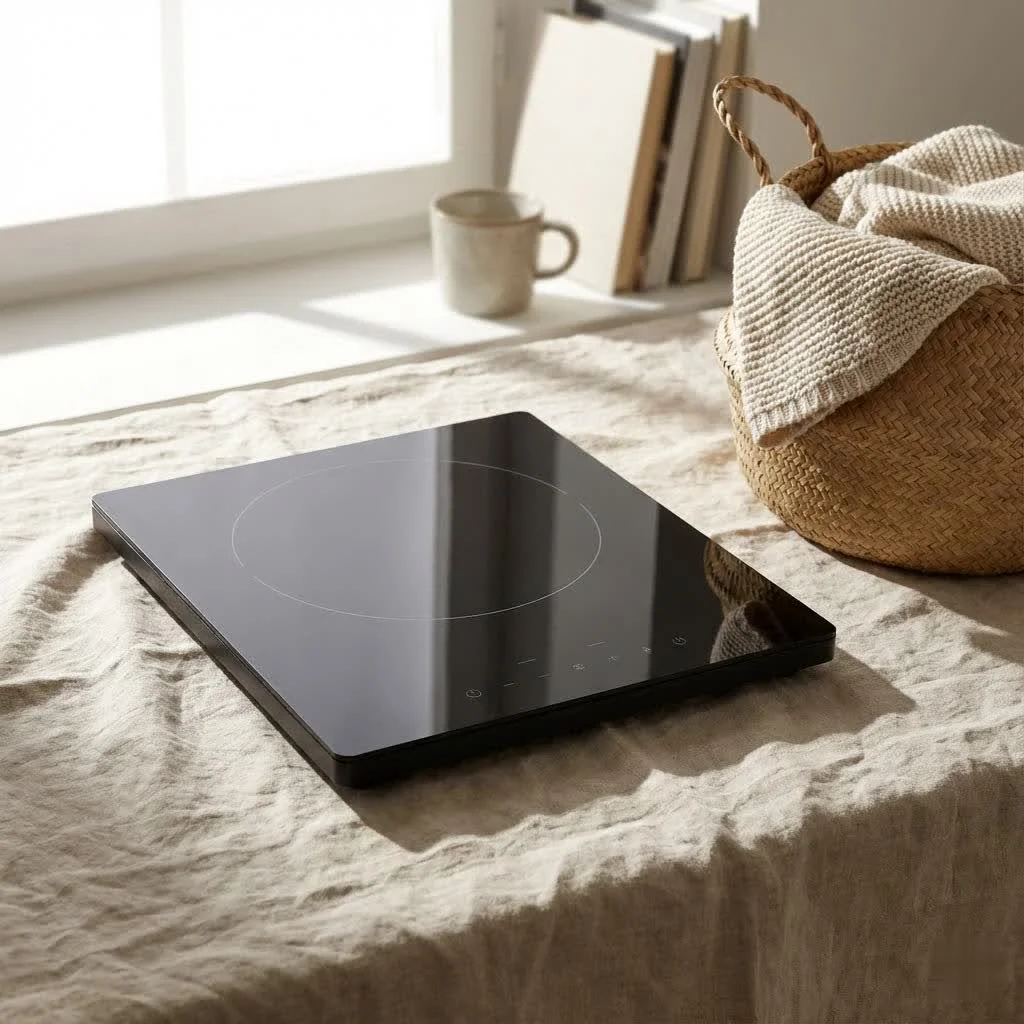
This remarkable piece of kitchen engineering is revolutionizing how we interact with our cooking environment. No longer just a utilitarian space, the kitchen is evolving into a truly multi-functional hub for cooking, dining, working, and socializing. The invisible induction hob sits at the heart of this transformation, offering an unparalleled blend of style, efficiency, and safety. For shop curated induction hobs on this site.
What Exactly is an Invisible Induction Hob?
At its core, an invisible induction hob is precisely what its name suggests: an induction cooktop that remains entirely hidden beneath your kitchen countertop. Unlike traditional induction hobs that sit on or are integrated into the surface with visible cooking zones, this innovation discreetly conceals the induction coils underneath, allowing the countertop itself to become your cooking surface. When not in use, your counter remains a sleek, uninterrupted expanse, perfect for meal prep, hosting guests, or even as a workspace. When activated, subtle indicators, such as a center light or LED display, might appear to guide you, marking the cooking zones and signalling residual heat.
How Does This Culinary Magic Work?
The fundamental principle behind the invisible induction hob is electromagnetic induction, just like its visible counterparts. However, the execution is ingeniously sophisticated. Here’s a breakdown:
- Hidden Coils: Beneath your chosen countertop material, electromagnetic coils are installed. These coils are the heart of the system.
- Magnetic Field Creation: When switched on, an electric current passes through these coils, generating a dynamic magnetic field.
- Direct Heat Transfer: When a pot or pan made of a ferromagnetic material (like cast iron or certain stainless steels) is placed on the designated cooking zone above, the magnetic field induces an electric current directly within the cookware.
- Heat Generation in the Pan: This induced current causes the pot or pan to heat up rapidly and efficiently. Crucially, the heat is generated in the cookware itself, not the countertop.
- Cool Countertop (Mostly): While the pan gets hot, the countertop material between the hob and the pan remains relatively cool to the touch. Any warmth you feel is usually residual heat transferred from the hot cookware.
This direct heating method makes induction cooking incredibly fast and energy-efficient compared to traditional gas or electric stoves.
The Unseen Advantages: Why Go Invisible?
The benefits of embracing an invisible induction hob are truly compelling, appealing to both design enthusiasts and practical home cooks alike:
Aesthetic Excellence and Space Maximization
|
Our Picks for the Best Induction Hob in 2026
As an Amazon Associate I earn from qualifying purchases.
|
||
| Num | Product | Action |
|---|---|---|
| 1 | ChangBERT Induction Cooktop, Commercial Grade Portable Cooker, Large 8” Heating Coil, Premium Stainless Steel Countertop Burner with NSF Certified, 10 Hours Timer Powerful 1800W Professional Hot Plate |

|
| 2 | Duxtop 1800W Portable Induction Cooktop Countertop Burner, Gold 8100MC/BT-180G3 |
|
| 3 | Nuwave Flex Precision Induction Cooktop, 10.25” Shatter-Proof Ceramic Glass, 6.5” Heating Coil, 45 Temps from 100°F to 500°F, 3 Wattage Settings 600, 900 & 1300 Watts, Black |
|
| 4 | AMZCHEF Portable Induction Cooktop 20 Temperature & Power Levels, 1800W Induction Stove Burner with 6.8\" Heating Coil, Low Noise Hot Plate Single Electric Cooktops Countertop Stove with Timer |
|
| 5 | LỖI |
|
| 6 | Mueller RapidTherm Portable Induction Cooktop Hot Plate Countertop Burner 1800W, 8 Temp Levels, Timer, Auto-Shut-Off, Touch Panel, LED Display, Auto Pot Detection, Child Safety Lock, 4 Preset Programs |
|
| 7 | Duxtop Professional Portable Induction Cooktop, Commercial Range Countertop Burner, 1800 Watts Induction Burner with Sensor Touch and LCD Screen, P961LS/BT-C35-D, Silver/Black |
|
| 8 | Portable Induction Cooktop 20 Temperature & Power Levels,1800W Single Burner Electric Cooktop with 6.8 inch Heating Coil,Low Noise Hot Plate with Timer |
|
| 9 | AMZCHEF Portable-Induction-Cooktop: 74 Temperature Levels Induction Burner with Digital Probe, 1800W Countertop Burner with 20 Power Levels, 6.5\" Heating Coil, Low Noise Electric Cooktops with Timer |
|
| 10 | Duxtop Portable Induction Cooktop Burner, Induction Hot Plate with LCD Sensor Touch 1800 Watts, Silver 9600LS/BT-200DZ |
|
The most immediate and striking advantage is the visual appeal. Imagine a kitchen counter free of clutter, a seamless surface that effortlessly flows throughout your space. With no visible hob, your kitchen gains an immediate sense of spaciousness and minimalist elegance. When you’re not cooking, that prime countertop real estate becomes available for preparing ingredients, serving dishes, or even as a clean, expansive area for other activities. It’s the ultimate chameleon appliance.
Enhanced Safety Features
Safety is paramount in any kitchen, and invisible induction hobs excel here. Since the heat is generated directly in the cookware, the countertop itself doesn’t get excessively hot (though residual heat from hot pans can transfer). Many systems feature automatic shut-off when pots are removed, reducing the risk of accidental burns. There are no open flames or gas leaks to worry about, making it a safer environment, especially for homes with children or pets. As Ms. Clara Jensen, a renowned kitchen safety consultant, often says, “An invisible hob isn’t just about clean lines; it’s about peace of mind, knowing your cooking surface is smart enough to stay cool when it needs to.”
Superior Energy Efficiency
Induction technology is inherently energy-efficient, and the invisible design leverages this even further. Because heat is transferred directly to the cookware with minimal loss, food cooks faster, and less energy is wasted. This translates to quicker meal preparation times and potentially lower energy bills, making your kitchen not only beautiful but also more sustainable.
Effortless Cleaning
Say goodbye to scrubbing stubborn burnt-on food from grates or ceramic surfaces. With an invisible induction hob, cleaning is as simple as wiping down your flat countertop. Spills don’t bake onto a hot element, making cleanup a breeze and ensuring your kitchen always looks its best.
Smart and Intuitive Control
Many advanced invisible induction systems come with sleek, integrated touch controls or can even be operated via a smartphone app. Some models feature subtle LED indicators or audible beeps to help you locate cooking zones, blending modern convenience with modern technology.
The Practical Side: What to Consider Before You Dive In
While the appeal of the invisible induction hob is undeniable, it’s essential to understand the practical considerations and potential drawbacks:
The Investment: Cost is a Factor
modern technology and premium design come at a premium price. Invisible induction hobs are generally more expensive than traditional induction cooktops, with systems often starting in the range of $2,400 to $3,000 for multi-burner units. This cost can further increase depending on the chosen countertop material and installation complexity. It’s a significant investment, but one that many find worthwhile for the unique blend of aesthetics and functionality.
Countertop Compatibility is Key
Not just any countertop will do. Invisible induction technology requires specific materials that are non-conductive and can withstand the heat transfer from the cooking vessels without damage. Popular choices include:
- Porcelain (Ceramic): Often recommended, particularly at thicknesses like 1.2cm or 20mm. Brands like Dekton, Neolith, Marazzi, and Sapienstone are frequently cited.
- Engineered Stone: Certain types are compatible.
- Granite: Some granite varieties can work.
It’s crucial to consult with your kitchen designer and the hob manufacturer to ensure your chosen countertop material is compatible and meets the required thickness specifications.
Cookware Requirements
Just like all induction hobs, an invisible induction hob demands induction-compatible cookware. This means your pots and pans must have a ferromagnetic bottom. To check if your current cookware is compatible, simply hold a magnet to the bottom; if it sticks firmly, you’re good to go. You might need to invest in new clad stainless-steel or thick magnet-bottom pans, as aluminum, all-copper, or glass cookware typically won’t work unless they feature a magnetic layer on their base. While cast iron is compatible, some manufacturers advise against it for invisible systems due to its intense heat retention, which can excessively warm the countertop.
Installation & Location Awareness
Installing an invisible induction hob is not a DIY project. It requires professional installation to ensure proper integration beneath the countertop and correct electrical connections. Adequate ventilation underneath the unit is also critical to prevent heat buildup and ensure optimal performance.
Finding the exact “burner” location on an entirely invisible surface can take some getting used to. Manufacturers address this in various ways:
- Audible Cues: Some systems emit a beeping sound when activated, stopping when a pan is correctly placed.
- Visual Guides: Subtle etchings on the countertop, temporary stickers, or integrated LED indicators can mark the cooking zones.
- Magnetic Mats: Certain brands provide thin magnetic mats not only to protect the countertop from scratches but also to help define the cooking area.
Residual Heat Transfer
While the hob itself doesn’t directly heat the countertop, a very hot pan can transfer significant heat to the surface it rests on, especially during longer cooking sessions. Some advanced systems, like TPB tech, address this with elevated cookware that creates a small air gap, or through multi-layer worktop technology to manage surface temperature.
Leading the Charge: Key Brands in the Invisible Induction Market
The innovation in the invisible induction hob space is driven by a few pioneering brands, each bringing their unique spin to the technology:
- Invisacook: This brand is a prominent name, often associated with the concept itself. They offer various burner configurations and are known for their specific requirements regarding countertop thickness (often 1.2cm ceramic).
- TPB tech: Recognized as one of the first to offer a technological surface with integrated invisible induction, TPB tech boasts patented multi-layer worktop technology and sometimes provides elevated cookware for enhanced performance and safety.
- Novy (e.g., Novy Undercover): Novy offers sophisticated systems like the Undercover, featuring powerful cooking zones, durable Dekton worktops, and intelligent centerpoints with temperature sensors and LED indicators.
- Other notable mentions: Brands like Bora, Gaggenau, Siemens, and Cooking Surface Prime are also at the forefront, integrating this technology into their high-end kitchen solutions.
Each brand offers different features, power outputs, and compatibility with various countertop materials, so thorough research is key to finding the perfect fit for your kitchen.
Installation and Maintenance: Keeping Your Invisible Hob in Top Shape
Professional Installation is Non-Negotiable
Given the complexity of integrating an electrical appliance beneath a specific countertop material, professional installation is not just recommended, it’s essential for safety, performance, and warranty validity. A trained technician will ensure:
- Proper Countertop Preparation: The surface is clean, flat, and correctly dimensioned for the unit.
- Secure Placement: The induction unit is securely affixed beneath the countertop, aligned with the designated cooking zones.
- Electrical Connections: Correct and safe wiring to a dedicated power outlet.
- Adequate Ventilation: Ensuring sufficient airflow to dissipate heat generated by the induction unit.
Caring for Your Invisible Workhorse
One of the joys of an invisible induction hob is its low maintenance.
- Daily Cleaning: A simple wipe-down with a soft cloth, warm water, and mild soap after each use is usually all it takes. Since spills don’t burn onto a hot element, cleaning is quick and easy.
- Avoid Harsh Cleaners: Steer clear of abrasive pads, strong chemicals, or harsh detergents that could damage your countertop material.
- Use Compatible Cookware: Consistently using pots and pans designed for induction will protect your system and ensure optimal cooking.
- Regular Inspections: Periodically check the power connections and the countertop surface for any irregularities. If you notice any unusual noises or performance issues, contact a qualified technician.
- Protect Your Countertop: While durable, using an InvisaMat (from certain brands) or simply being mindful when placing hot pans can help prevent scratches or excessive heat transfer to the countertop over time.
“Maintaining an invisible induction hob is more about consistent, gentle care of your countertop than intricate appliance upkeep,” notes Mr. Elias Vance, a Gooau.com senior technician. “Treat your counter well, and your invisible hob will serve you flawlessly for years.”
FAQs: Your Questions Answered
Q1: Can I use any pot or pan with an invisible induction hob?
A: No, you need induction-compatible cookware. This means pots and pans with a magnetic base. Test with a magnet: if it sticks firmly, it will work. Aluminum, all-copper, or glass cookware typically won’t work unless they have a magnetic layer.
Q2: Does the countertop get hot when using an invisible induction hob?
A: The induction technology primarily heats the pan, not the countertop. However, heat from the hot pan itself will transfer to the countertop surface, making it warm to the touch, especially during extended cooking. Some systems use elevated cookware or special multi-layer countertops to minimize this.
Q3: How do I know where to place my pots and pans if there are no visible burners?
A: Manufacturers provide various solutions, including subtle etched markings on the countertop, LED indicators that light up when activated, audible beeps that stop when a pan is detected, or even magnetic mats that define the cooking zone.
Q4: Are invisible induction hobs more expensive than traditional induction cooktops?
A: Yes, generally they are. The advanced technology, specialized countertop integration, and professional installation requirements mean invisible induction hobs come at a premium price point compared to standard induction models.
Q5: What kind of countertops are compatible with invisible induction hobs?
A: The most common and recommended materials are porcelain (ceramic) at specific thicknesses (e.g., 1.2cm to 20mm), engineered stone, and certain types of granite. It’s crucial to verify compatibility with the specific hob manufacturer and your kitchen designer.
Q6: Is an invisible induction hob safe for families with children?
A: Yes, they are generally considered very safe. The surface remains relatively cool, and many systems have automatic shut-off features when cookware is removed. There are no open flames or gas, reducing burn and fire risks. However, always be mindful of residual heat from hot pans.
Q7: Can I install an invisible induction hob myself?
A: Professional installation is highly recommended and often required. The precise integration beneath the countertop and the electrical connections necessitate expert knowledge to ensure safety, optimal performance, and to maintain product warranties.
The Future is Now: Embracing the Invisible
The invisible induction hob isn’t just a fancy gadget; it’s a shows how far kitchen technology has come, offering a glimpse into the future of home cooking. It delivers unparalleled aesthetics, transforming your kitchen into a sleek, expansive living area, while also providing high-performance, energy-efficient, and safe cooking.
As you consider your next kitchen renovation or appliance upgrade, I encourage you to explore the possibilities that an invisible induction hob presents. It’s an investment in design, efficiency, and a truly streamlined culinary experience. You’ll not only be cooking; you’ll be making a statement about your commitment to modern living. Embrace the magic, and let your kitchen counter become the stage for your next culinary masterpiece.
Frequently Asked Questions
What type of cookware is required for an invisible induction hob?
You need induction-compatible cookware with a magnetic base for an invisible induction hob. To check compatibility, hold a magnet to the bottom of your pot or pan; if it sticks firmly, it will work. Aluminum, all-copper, or glass cookware typically won't work unless they feature a magnetic layer on their base.
Does the kitchen countertop become hot when using an invisible induction hob?
The induction technology primarily heats the pan, not the countertop directly. However, heat from a hot pan will transfer to the countertop surface, making it warm to the touch, especially during extended cooking sessions. Some advanced systems, like TPB tech, use elevated cookware or special multi-layer countertops to minimize this effect.
How do users locate cooking zones on an entirely invisible induction surface?
Manufacturers address burner location on invisible surfaces through various methods. These include subtle etched markings on the countertop, integrated LED indicators that light up when activated, audible beeps that stop when a pan is detected, or even magnetic mats that define the cooking zone.
Are invisible induction hobs more expensive than traditional induction cooktops?
Yes, invisible induction hobs are generally more expensive than traditional induction cooktops. Systems often start in the range of $2,400 to $3,000 for multi-burner units, reflecting the advanced technology, specialized countertop integration, and professional installation requirements.
Which countertop materials are compatible with invisible induction hob technology?
The most common and recommended countertop materials for invisible induction hobs are porcelain (ceramic) at specific thicknesses, such as 1.2cm or 20mm. Engineered stone and certain types of granite can also be compatible. It is crucial to verify compatibility with the specific hob manufacturer and your kitchen designer.
Is professional installation necessary for an invisible induction hob?
Yes, professional installation is highly recommended and often required for an invisible induction hob. The precise integration beneath the countertop, correct electrical connections, and ensuring adequate ventilation necessitate expert knowledge to guarantee safety, optimal performance, and to maintain product warranties.
How to Use and Maintain an Invisible Induction Hob
Learn the essential steps for operating and caring for your invisible induction hob to ensure longevity and optimal performance in your modern kitchen.
Ensure all your pots and pans have a ferromagnetic base, as only induction-compatible cookware will work. Test existing cookware with a magnet; if it sticks firmly, it's suitable. Consider investing in new clad stainless-steel or thick magnet-bottom pans if your current set is not compatible.
Familiarize yourself with how your specific invisible hob indicates cooking zones. This might involve subtle etched markings on the countertop, integrated LED indicators, audible beeps that stop when a pan is placed, or magnetic mats provided by the manufacturer. Proper placement ensures efficient heating.
After each use, simply wipe down your flat countertop with a soft cloth, warm water, and mild soap. Since spills don't bake onto a hot element, cleaning is quick and easy. Avoid abrasive pads or harsh chemicals that could damage the countertop material.
While the hob primarily heats the pan, very hot cookware can transfer residual heat to the countertop. Be mindful when placing hot pans, and consider using an InvisaMat (if available from your brand) or other protective mats to prevent scratches and excessive heat transfer over time.
Periodically check power connections and the countertop surface for any irregularities. If you notice unusual noises or performance issues, contact a qualified technician. Professional installation and occasional checks ensure safety, optimal performance, and warranty validity.
Cooking gear we tested in our own kitchens
Free PDF — preheat times measured on 10 popular air fryers.

I’ve been using induction for years, so I was excited about the invisible concept. While the sleek look is undeniable and it certainly frees up counter space, I found the learning curve for precise pot placement a bit frustrating. Sometimes it takes a couple of tries to get the pan recognized, which can be annoying when you’re in a hurry. It’s good, but not perfect for a professional chef’s speed.
We just renovated our kitchen and opted for an invisible induction hob, and it’s fantastic for entertaining. The seamless design means our island is now a continuous surface for serving appetizers or even working on my laptop when not cooking. My only minor complaint is that it took a little getting used to where the ‘burners’ are without visual cues, but the performance is top-notch.
I was skeptical about the ‘invisible’ aspect, but this hob is truly a game-changer for my small apartment kitchen. It makes the space feel so much bigger and cleaner, and I love how I can use the counter for prep right after cooking. The efficiency is also amazing; water boils incredibly fast. Definitely worth the investment for a modern, minimalist look.
Safety was a huge factor for me with kids around, and the invisible induction hob delivers. No exposed heating elements means no accidental burns, which gives me such peace of mind. Plus, cleaning is a breeze since it’s just a flat countertop. It’s truly transformed our kitchen into a safer, more functional family hub.