Dealing with a Scratched Induction Hob can be frustrating. While these sleek, efficient appliances are a modern kitchen marvel, their glass-ceramic surfaces, though durable, are not entirely immune to the rigors of daily cooking. As a seasoned induction hob specialist with over 15 years of practical experience, and as a content creator for gooau.com, I’ve seen countless questions about induction hob scratches. The good news is, for many common marks, you don’t have to live with the damage, and certainly not rush to replace your entire unit. This comprehensive guide will walk you through understanding why your induction hob gets scratched, how to prevent it, and effective methods to address those pesky marks.
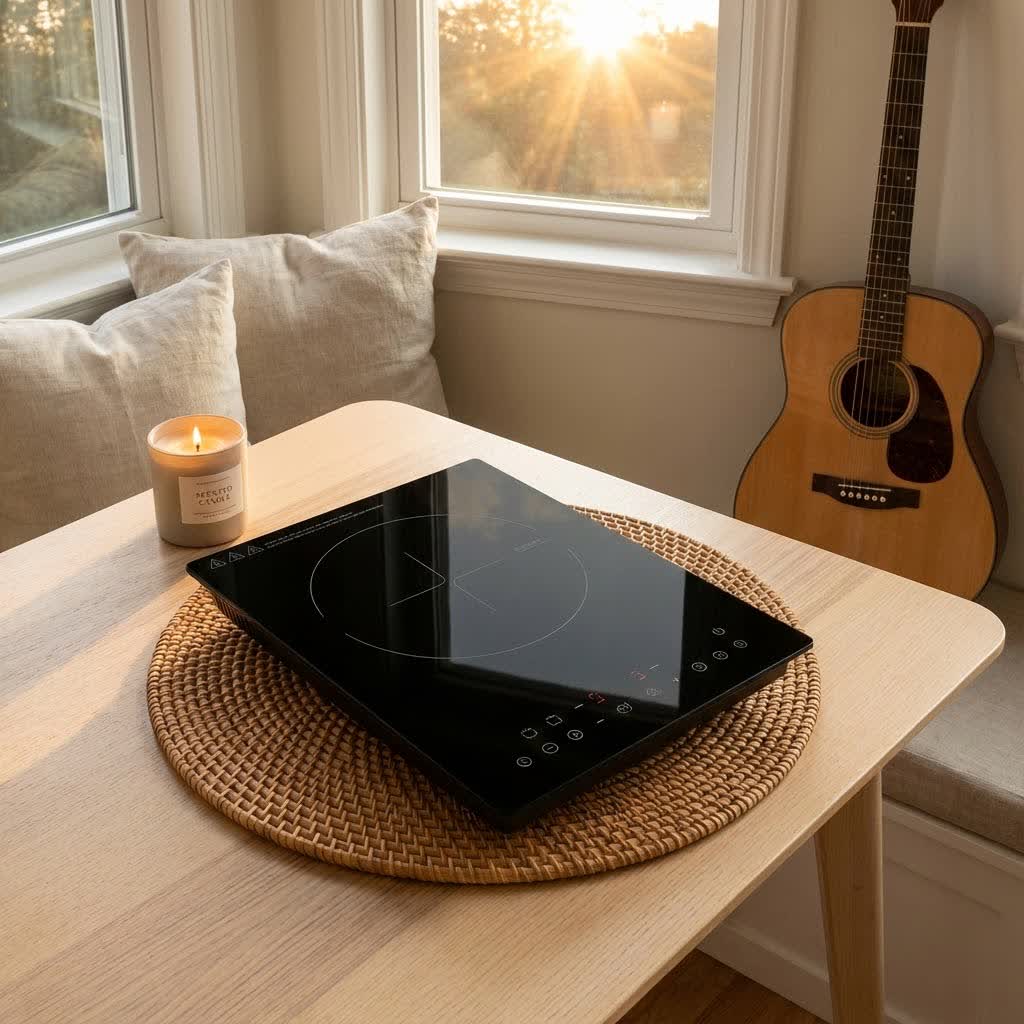
Understanding Why Your Induction Hob Gets Scratched
Induction cooktops operate on an electromagnetic principle, heating your cookware directly while the hob’s surface remains relatively cool. This makes them incredibly energy-efficient and safe. However, the smooth, glass-ceramic surface, while elegant, requires careful handling. Scratches are often a normal part of wear and tear, but certain actions accelerate their appearance.
Common Culprits Behind Scratches:
- Wrong Cookware: Not all pots and pans are created equal when it comes to induction hob safety. Cookware with rough, uneven, or damaged bases can easily abrade the glass surface. Heavy pots, especially those without a perfectly flat and smooth bottom, are prime offenders. Stainless steel cookware with smooth bases is typically recommended.
- Dragging and Sliding: It’s a common habit in the kitchen to slide pots and pans across the hob. However, dragging heavy or even light cookware, rather than lifting it, is a sure way to create linear scratches. Imagine dragging a metal object across a TV screen; the principle is similar.
- Trapped Debris: Tiny crumbs, sugar crystals, salt grains, or dried food particles caught between the bottom of a pan and the hob’s surface act like sandpaper. When a hot pan is placed on or moved over these particles, they can easily etch the glass.
- Abrasive Cleaning: Using harsh cleaning materials like steel wool, rough scouring pads, or abrasive powders can leave behind their own set of fine scratches. While effective on some surfaces, they are detrimental to delicate glass-ceramic.
- Leaving Spills to Harden: When food or grease spills and hardens on the hob, scraping them off can lead to scratches. Also, placing a hot pan on dried, stuck-on food can cause marks.
|
Our Picks for the Best Induction Hob in 2026
As an Amazon Associate I earn from qualifying purchases.
|
||
| Num | Product | Action |
|---|---|---|
| 1 | Duxtop Professional Portable Induction Cooktop, Commercial Range Countertop Burner, 1800 Watts Induction Burner with Sensor Touch and LCD Screen, P961LS/BT-C35-D, Silver/Black |

|
| 2 | LỖI |
|
| 3 | AMZCHEF Portable-Induction-Cooktop: 74 Temperature Levels Induction Burner with Digital Probe, 1800W Countertop Burner with 20 Power Levels, 6.5\" Heating Coil, Low Noise Electric Cooktops with Timer |
|
| 4 | Nuwave Flex Precision Induction Cooktop, 10.25” Shatter-Proof Ceramic Glass, 6.5” Heating Coil, 45 Temps from 100°F to 500°F, 3 Wattage Settings 600, 900 & 1300 Watts, Black |
|
| 5 | Mueller RapidTherm Portable Induction Cooktop Hot Plate Countertop Burner 1800W, 8 Temp Levels, Timer, Auto-Shut-Off, Touch Panel, LED Display, Auto Pot Detection, Child Safety Lock, 4 Preset Programs |
|
| 6 | AMZCHEF Portable Induction Cooktop 20 Temperature & Power Levels, 1800W Induction Stove Burner with 6.8\" Heating Coil, Low Noise Hot Plate Single Electric Cooktops Countertop Stove with Timer |
|
| 7 | Duxtop Portable Induction Cooktop Burner, Induction Hot Plate with LCD Sensor Touch 1800 Watts, Silver 9600LS/BT-200DZ |
|
| 8 | Portable Induction Cooktop 20 Temperature & Power Levels,1800W Single Burner Electric Cooktop with 6.8 inch Heating Coil,Low Noise Hot Plate with Timer |
|
| 9 | Duxtop 1800W Portable Induction Cooktop Countertop Burner, Gold 8100MC/BT-180G3 |
|
| 10 | ChangBERT Induction Cooktop, Commercial Grade Portable Cooker, Large 8” Heating Coil, Premium Stainless Steel Countertop Burner with NSF Certified, 10 Hours Timer Powerful 1800W Professional Hot Plate |
|
“Many users are surprised to learn that a seemingly innocent slide of a pan or a forgotten grain of salt can be the start of a scratch,” notes Clara Nguyen, a senior appliance technician at Gooau. “The key is mindful usage and routine cleaning.”
Preventing Scratches: An Ounce of Prevention
As the old adage goes, prevention is always easier than cure. Protecting your induction hob requires a little vigilance and adherence to some simple, yet effective, practices.
Essential Prevention Tips:
- Choose the Right Cookware: Invest in high-quality, induction-compatible cookware with perfectly flat, smooth bases. Stainless steel is often a good choice. Regularly check the bottom of your pots and pans for any rough spots or burrs that could cause damage.
- Lift, Don’t Drag: Make it a habit to always lift your pots and pans straight up and place them down gently, rather than sliding them across the hob. This simple change in habit can significantly reduce the risk of scratching.
- Keep It Clean: Wipe down your induction hob before and after each use once it has cooled. This removes any debris or spills that could get trapped under cookware. For stubborn residues, use a non-abrasive hob scraper designed specifically for glass-ceramic surfaces.
- Use Proper Cleaners: Opt for non-abrasive cleaners formulated for glass-ceramic cooktops. Always use a soft microfiber cloth or sponge. Avoid harsh chemicals, steel wool, or abrasive pads at all costs. Refer to your hob’s user manual for specific cleaning product recommendations.
- Consider Cooktop Protectors: For added peace of mind, you can use specialized silicone mats or induction cooktop protectors. These mats sit between your pan and the hob surface, preventing direct contact and significantly reducing scratch risk, while still allowing the induction heating to work efficiently.
- Prevent Thermal Shock: Avoid placing extremely hot pans on a cold hob surface, or vice versa. Sudden, drastic temperature changes can stress the glass-ceramic, potentially leading to cracks, which are far more serious than scratches.
Addressing a Scratched Induction Hob: DIY Solutions and When to Call an Expert
So, you’ve spotted a scratch. Don’t panic! The approach to fixing a scratched induction hob depends largely on the depth and severity of the mark. For superficial blemishes, some gentle DIY methods can work wonders. However, it’s crucial to distinguish between a minor scratch and a more serious crack.
Differentiating Scratches from Cracks:
A scratch is a superficial mark on the surface. You might feel it with your fingernail, but it doesn’t typically compromise the structural integrity of the glass. A crack, however, goes deeper and often indicates structural damage.
- Test: With the hob completely cool and turned off, lightly move your fingernail across the mark. If your nail catches in the mark, it might be a crack. If your nail runs smoothly, it’s likely a scratch.
- Safety: While scratches are primarily cosmetic, cracks can be dangerous. They can lead to uneven heating, fire hazards (if flammable debris or grease enters), or electrical shocks if water seeps in. If you suspect a crack, stop using the appliance immediately and consult the manufacturer or a qualified technician.
DIY Solutions for Superficial Scratches:
For fine surface marks, these gentle DIY fixes can often improve the appearance significantly:
Before You Start: Always ensure your induction hob is completely cold and switched off. Clean the entire surface thoroughly with a glass-ceramic hob cleaner and a soft microfiber cloth to remove any dirt or grease. This ensures you’re working directly on the scratch.
-
Baking Soda Paste:
- What you need: 2 teaspoons of baking soda, 1 teaspoon of water, a clean, soft microfiber cloth.
- Method: Combine the baking soda and water in a small bowl to create a smooth, toothpaste-like paste. Apply a small amount of this paste directly onto the scratched area. Using your microfiber cloth, gently buff the paste into the scratch using small, circular motions for a few minutes.
- Finish: Wipe away any residue with a damp cloth and then dry the hob thoroughly. You can repeat this process if necessary.
-
Non-Gel Toothpaste:
- What you need: A pea-sized amount of non-gel (paste) toothpaste, a clean, soft microfiber cloth.
- Method: This works similarly to baking soda. Apply the toothpaste to the scratched area. Gently rub it in small circles with a soft cloth for a few minutes.
- Finish: Wipe clean with a damp cloth and dry thoroughly.
Important Note on Polishing: While some sources suggest car, metal, or glass polish for deeper scratches, it’s crucial to proceed with caution. Many glass polishing experts and manufacturers do not recommend polishing induction cooktops, as the process can cause a visible haze (often called “bloom”) and may affect the unit’s functionality over the long term. The full impacts of polishing induction glass are not always understood, so DIY care for minor scratches using the methods above is generally the safest bet.
When to Call an Expert:
For deep scratches, chips, or cracks, DIY methods are generally ineffective and attempting to fix them yourself might cause further damage.
- Deep Scratches: True deep scratches are often permanent. While you might make them less noticeable, they typically cannot be fully reversed.
- Cracks: As mentioned, a cracked induction hob is a safety hazard. If you detect a crack, stop using the hob immediately and contact the manufacturer or a qualified appliance technician. They can assess the damage and advise on whether a replacement of the glass surface or the entire unit is necessary.
- No Improvement: If superficial scratches don’t improve after repeated attempts with DIY methods, it might be time to accept them as part of the hob’s character or consider professional advice for a potential surface replacement, though this can be costly.
Frequently Asked Questions About Scratched Induction Hobs
Q1: Do scratches affect the performance or heating of an induction hob?
A1: Generally, minor or superficial scratches are purely cosmetic and do not affect the heating performance or functionality of an induction hob. However, deep scratches or cracks can potentially lead to uneven heating or compromise the structural integrity.
Q2: Is it dangerous to cook on a scratched induction hob?
A2: For minor, superficial scratches, it is generally safe to continue cooking. The main concern arises with cracks, which can pose safety hazards like uneven heating, electrical shock, or fire risks if liquids or debris penetrate the surface.
Q3: Can a silicone mat really prevent scratches while cooking?
A3: Yes, silicone induction cooktop protectors are highly effective. They create a protective barrier between your cookware and the glass surface, significantly reducing the chance of scratches from movement or rough pan bases. They are designed to withstand the heat generated by the induction process.
Q4: How often should I clean my induction hob to prevent scratches?
A4: It’s best practice to wipe down your induction hob with a soft, damp cloth after every use, once it has cooled. This prevents food spills from hardening and debris from accumulating, which are common causes of scratches. A deeper clean with a specialized glass-ceramic cleaner can be done weekly.
Q5: What kind of pots and pans are safest for my induction hob to avoid scratches?
A5: Cookware with perfectly flat, smooth, and clean bases is ideal. Stainless steel and cast iron (with very smooth bottoms) are common induction-compatible materials. Avoid cookware with rough, warped, or chipped bases, as these are most likely to scratch the surface.
Q6: What if my induction hob is completely cracked?
A6: If your induction hob has a significant crack, it should not be used. A crack compromises the safety of the appliance and can lead to serious hazards. You should immediately turn off the power, stop using it, and contact a qualified technician or the manufacturer for assessment and likely replacement.
Conclusion: Keeping Your Induction Hob Looking Its Best
A scratched induction hob doesn’t have to be a permanent blight on your kitchen. By understanding the common causes, adopting preventative habits, and knowing how to safely address minor marks, you can significantly extend the life and aesthetic appeal of your appliance. Remember, gentle care, appropriate tools, and mindful cooking are your best allies. Embrace the ease and efficiency of your induction hob with confidence, knowing you have the knowledge to keep it gleaming for years to come. If you’ve managed to keep your induction hob pristine or have a fantastic tip for scratch prevention, we’d love for you to share your experience with the Gooau community!
