A vented induction hob combines the precise heating of an induction cooktop with an integrated, powerful ventilation system, offering a two-in-one solution for modern kitchens. These appliances are transforming cooking spaces by providing efficiency, style, and superior air quality without the need for a separate overhead extractor hood. They are particularly beneficial for open-plan living areas and kitchen islands, enhancing both aesthetics and functionality.
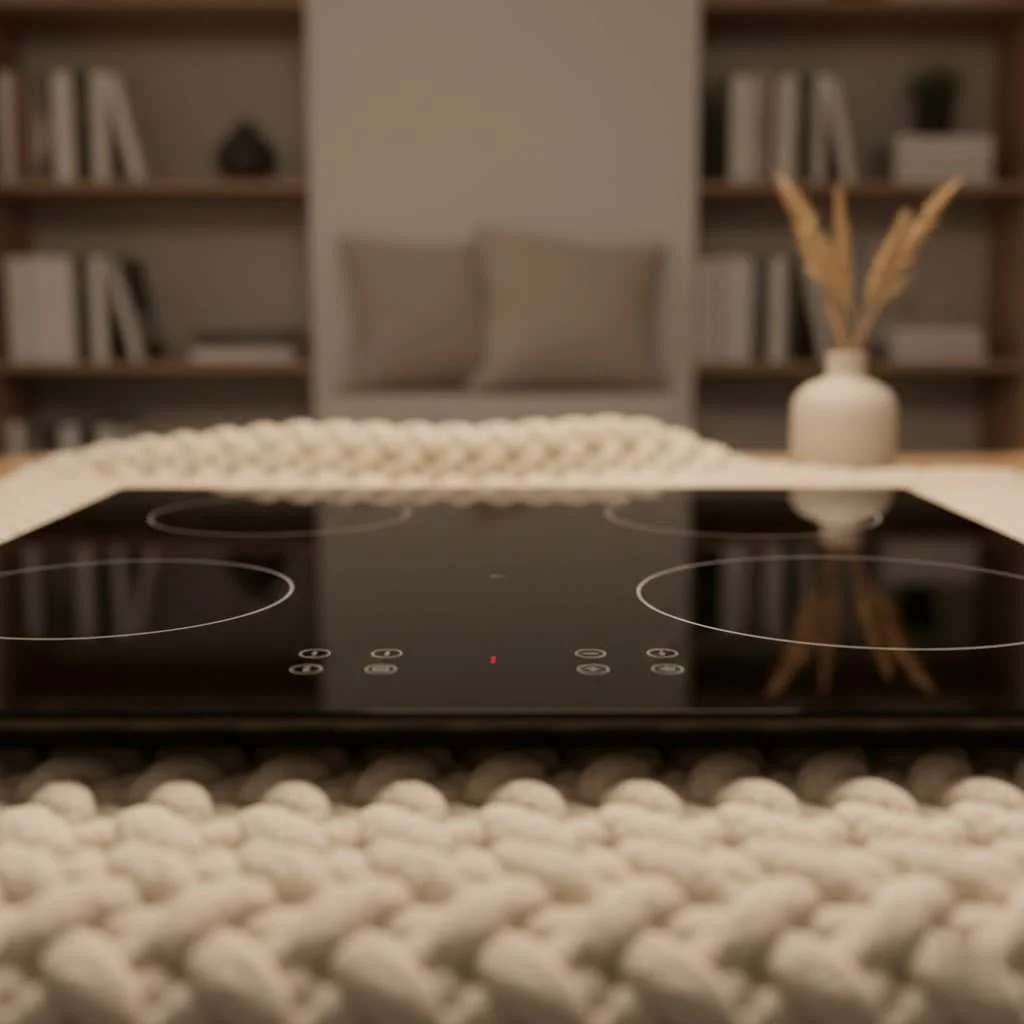
At Gooau.com, we’re all about making complex kitchen tech easy to understand, and the vented induction hob is a prime example of brilliant engineering simplifying your life. Let’s dive deep into what makes these appliances tick, explore their incredible advantages, and help you decide if a vented induction hob is the perfect fit for your cooking sanctuary. For compare top induction hobs on this site.
What Exactly is a Vented Induction Hob?
Imagine combining the lightning-fast, precise heating of an induction cooktop with the effective odor removal of an extractor fan, all within one seamless unit. That, my friends, is the essence of a vented induction hob. Unlike conventional setups where a separate hood hangs conspicuously above your stove, these ingenious hobs have their ventilation system built directly into the cooking surface. It’s a two-in-one marvel that truly embodies modern kitchen design, offering a cleaner aesthetic and remarkable functionality without compromise.
The magic starts with the induction cooktop itself. Induction technology heats your cookware directly using electromagnetic fields, which means rapid boiling, instant temperature adjustments, and significantly less wasted energy compared to gas or traditional electric hobs. Then, right there on the hob’s surface—often centrally located or along an edge—is the integrated extractor, ready to whisk away steam and smells before they even have a chance to rise and spread.
The Magic Behind the Modern Kitchen: How Vented Induction Hobs Work
Understanding how a vented induction hob operates truly showcases its ingenuity. It’s a blend of advanced cooking and air purification.
Induction Power: Heating Where It Matters
First, let’s talk about the “induction” part. When you place a compatible magnetic pan on the hob, an electromagnetic field is generated, directly heating the base of your cookware. This isn’t about heating the hob’s surface; it’s about making your pot or pan the heat source itself. This method offers unparalleled control, allowing you to go from a gentle simmer to a rolling boil in moments, all while the surrounding hob surface remains relatively cool to the touch. It’s safer, faster, and incredibly energy-efficient.
Integrated Ventilation: Defying Gravity
Now for the “vented” aspect. What truly sets these hobs apart is their integrated ventilation system, often referred to as a downdraft extractor. While steam and cooking odors naturally rise, the powerful fan within the vented induction hob creates a strong suction that pulls these airborne particles downwards, right at the source. This is a major upgrade for maintaining pristine kitchen air quality. No more steam obscuring your view or strong curry smells lingering days after dinner!
The Two Paths of Extraction: Ducted vs. Recirculating
|
Our Picks for the Best Induction Hob in 2026
As an Amazon Associate I earn from qualifying purchases.
|
||
| Num | Product | Action |
|---|---|---|
| 1 | AMZCHEF Portable Induction Cooktop 20 Temperature & Power Levels, 1800W Induction Stove Burner with 6.8\" Heating Coil, Low Noise Hot Plate Single Electric Cooktops Countertop Stove with Timer |

|
| 2 | Duxtop 1800W Portable Induction Cooktop Countertop Burner, Gold 8100MC/BT-180G3 |
|
| 3 | AMZCHEF Portable-Induction-Cooktop: 74 Temperature Levels Induction Burner with Digital Probe, 1800W Countertop Burner with 20 Power Levels, 6.5\" Heating Coil, Low Noise Electric Cooktops with Timer |
|
| 4 | Nuwave Flex Precision Induction Cooktop, 10.25” Shatter-Proof Ceramic Glass, 6.5” Heating Coil, 45 Temps from 100°F to 500°F, 3 Wattage Settings 600, 900 & 1300 Watts, Black |
|
| 5 | Mueller RapidTherm Portable Induction Cooktop Hot Plate Countertop Burner 1800W, 8 Temp Levels, Timer, Auto-Shut-Off, Touch Panel, LED Display, Auto Pot Detection, Child Safety Lock, 4 Preset Programs |
|
| 6 | ChangBERT Induction Cooktop, Commercial Grade Portable Cooker, Large 8” Heating Coil, Premium Stainless Steel Countertop Burner with NSF Certified, 10 Hours Timer Powerful 1800W Professional Hot Plate |
|
| 7 | Duxtop Professional Portable Induction Cooktop, Commercial Range Countertop Burner, 1800 Watts Induction Burner with Sensor Touch and LCD Screen, P961LS/BT-C35-D, Silver/Black |
|
| 8 | Duxtop Portable Induction Cooktop Burner, Induction Hot Plate with LCD Sensor Touch 1800 Watts, Silver 9600LS/BT-200DZ |
|
| 9 | Portable Induction Cooktop 20 Temperature & Power Levels,1800W Single Burner Electric Cooktop with 6.8 inch Heating Coil,Low Noise Hot Plate with Timer |
|
| 10 | LỖI |
|
The captured air then takes one of two journeys:
- Ducted Systems: This is the gold standard for extraction. The air, after passing through grease filters, is channeled through ductwork—typically under the floor or behind cabinets—and expelled outside your home. This provides the most effective removal of moisture, odors, and grease.
- Recirculating Systems: If external ducting isn’t feasible, many vented induction hob models offer a recirculating option. In this setup, the cooking vapors pass through both grease filters and activated carbon filters (to trap odors) before the purified air is released back into the kitchen. While slightly less powerful than ducted systems for moisture removal, modern recirculating filters are incredibly effective at neutralizing smells.
The Role of Filters: Your Kitchen’s Guardians
Regardless of the system, filters are the unsung heroes. Grease filters, often made of metal mesh, capture fat particles to prevent them from entering the fan mechanism and ductwork. Carbon filters, used in recirculating models, absorb odor molecules. These filters are typically easy to access, remove, and often, dishwasher-safe, making maintenance a breeze.
The Unbeatable Benefits: Why a Vented Induction Hob Might Be Your Kitchen’s Next Star
Choosing a vented induction hob isn’t just about cooking; it’s about upgrading your entire kitchen experience. Let’s look at why these appliances are becoming the heart of so many modern homes.
Space-Saving Elegance: Reclaiming Overhead Space
One of the most immediate and striking advantages is the sheer aesthetic freedom it offers. Without a bulky overhead hood, your kitchen instantly feels more open, spacious, and uncluttered. This is particularly transformative for kitchen islands, open-plan living areas, or smaller kitchens where every inch counts. You can now design with beautiful pendant lighting, open shelving, or simply enjoy unobstructed sightlines. As Chef Anya Sharma, a culinary innovator and kitchen design consultant, often says, “A vented induction hob is like magic for minimalists. It frees your space to be about cooking and connection, not clunky machinery.”
Sleek Aesthetics: Modern, Minimalist Appeal
Let’s face it, traditional extractor hoods can sometimes interrupt the flow of a beautifully designed kitchen. A vented induction hob, with its integrated and often flush design, blends seamlessly into your worktop. It’s a statement of sophisticated simplicity that complements any contemporary decor, from industrial chic to Scandinavian minimalist.
Superior Air Quality: Capturing Odors at the Source
This is where the vented aspect truly shines. By drawing steam, smoke, and cooking odors downwards directly from your pans, these hobs prevent them from rising, condensing on surfaces, or spreading throughout your home. Imagine frying up your favorite dish without the lingering scent of oil hours later, or boiling pasta without a cloud of steam enveloping your face. It’s a healthier, more pleasant cooking environment.
Energy Efficiency: Smart Cooking, Smart Ventilation
Induction cooking itself is incredibly energy-efficient, as heat is generated directly in the pan. The integrated ventilation system further contributes to this efficiency by only activating when needed, and often adjusting its power automatically based on the detected steam or odors. This intelligent operation means less wasted energy and potentially lower utility bills.
Quiet Operation: Focus on Your Feast
While no powerful fan is entirely silent, modern vented induction hob designs have made significant strides in reducing noise levels. Many models feature advanced motors that are remarkably quiet, especially on lower settings. This allows you to converse, listen to music, or simply enjoy the sounds of sizzling food without a roaring fan dominating the kitchen soundscape.
Enhanced Safety and Control
Beyond the obvious benefit of a cooler hob surface, many vented induction hobs come packed with safety features like child locks, automatic shut-off functions, and residual heat indicators. The precise temperature control of induction also helps prevent boil-overs and burnt food, giving you more command over your culinary creations.
Easy Peasy Cleaning
The flat, smooth glass surface of an induction hob is incredibly easy to wipe clean. And for the ventilation component, many models feature removable grease filters that are dishwasher-safe, simplifying maintenance. Some even have removable collection trays for accidental spills, making cleanup quick and hassle-free.
Weighing the Options: Potential Drawbacks to Consider
While a vented induction hob offers a compelling vision of the future kitchen, it’s important to have a balanced view. There are a few considerations you should factor into your decision-making process.
The Price Tag: Initial Investment
Let’s be upfront: a vented induction hob often represents a higher initial investment compared to purchasing a standard induction hob and a separate extractor hood. The advanced technology and integrated design contribute to this cost. However, consider it an investment in a premium, long-lasting kitchen solution that adds significant value and aesthetic appeal to your home.
Installation Intricacies: A Professional’s Touch
Installing a vented induction hob, especially a ducted model, can be more complex than a traditional hob. It often requires careful planning for ductwork routing, particularly in kitchen islands or if you’re installing it on an upper floor. Professional installation is highly recommended to ensure proper ventilation and electrical connections, which can add to the overall cost.
Sacrificing Storage: Beneath the Hob
Because the ventilation mechanism and associated ductwork or recirculation box are integrated directly beneath the hob, you’ll inevitably lose some storage space in the cabinet below. While many designs are compact, it’s a trade-off to consider, especially if your kitchen is already short on storage.
Regular Maintenance: Filter Care
Like any extraction system, the filters in your vented induction hob need regular attention. Grease filters require cleaning (or replacement for some carbon filters) to maintain optimal performance and air quality. While generally straightforward, it’s a task that needs to be factored into your kitchen routine.
Noise Levels (at High Power)
While modern vented hobs are quieter than older models, the powerful fans on their highest settings can still generate a noticeable amount of noise. If you frequently cook dishes that produce a lot of steam and require maximum extraction, this is something to consider. It’s often advisable to try and hear a model in operation if possible.
Extraction Power vs. Traditional Hoods
For extremely heavy-duty cooking, such as constant deep-frying or searing large quantities of food, some traditional, high-powered overhead range hoods might still offer slightly more robust extraction due to the natural upward flow of steam and fumes. However, for most home cooking needs, a vented induction hob provides highly effective removal.
Choosing Your Perfect Partner: What to Look For
Ready to take the plunge? Here’s what to when selecting your ideal vented induction hob:
- Kitchen Layout & Lifestyle: Consider where the hob will be placed (island, against a wall) and your typical cooking habits. Do you mostly simmer, or are you a high-heat wok enthusiast? This will influence the extraction power you need.
- Extraction Type: Ducted or Recirculating? Determine which system is feasible for your kitchen. Ducted is generally preferred for maximum efficiency, but modern recirculating systems are excellent alternatives.
- Power and Noise Levels: Look at the extraction rate (cubic meters per hour) and the noise level in decibels (dB) at various fan speeds. Balance power with how much noise you’re comfortable with.
- Features and Controls: Do you prefer touch controls, slider controls, or smart connectivity? Look for features like bridging zones for larger pans, power boost functions, and automatic fan speed adjustment.
- Brand Reputation and Warranty: Research reputable brands known for quality induction and ventilation technology. A good warranty offers peace of mind.
FAQs: Your Burning Questions Answered
Are vented induction hobs really effective at removing smells and steam?
Absolutely! By drawing air downwards directly at the source, a vented induction hob is highly effective at capturing steam, smoke, and cooking odors before they spread throughout your kitchen. Many users find them significantly better at keeping the air clear than traditional overhead hoods.
How often do I need to clean the filters?
Grease filters typically need to be cleaned every 2-4 weeks, depending on how often you cook. If you have a recirculating system with carbon filters, these usually need to be replaced every 3-6 months. Most modern filters are easily accessible and often dishwasher-safe for convenience.
Can I install a vented induction hob myself?
While technically possible for very experienced DIYers, professional installation is strongly recommended for a vented induction hob. This ensures correct electrical connection, proper ducting (if applicable), and optimal performance of the ventilation system.
What happens if I spill liquid into the vent?
Most vented induction hob designs incorporate a spill-proof system, often with a collection tray beneath the vent. Small spills are usually contained and easily cleaned from this tray. Larger spills should be addressed immediately, but the design typically prevents liquid from damaging the internal components.
Are they noisy?
On lower settings, modern vented induction hobs are generally quiet. However, like any powerful extractor fan, they will produce noise on higher settings when working to clear intense steam or smoke. Manufacturers are constantly improving noise reduction, so check the dB ratings before purchase.
Are they energy efficient?
Yes, they are! The induction cooking itself is highly energy-efficient as it only heats the pan. The integrated ventilation system also contributes by activating only when needed and often automatically adjusting its power, minimizing unnecessary energy consumption.
Conclusion: Is a Vented Induction Hob Right for You?
The vented induction hob truly is a shows modern kitchen innovation, combining the speed and precision of induction cooking with an integrated, powerful ventilation system. It’s an ideal solution for anyone looking to achieve a sleek, minimalist kitchen aesthetic, particularly in open-plan spaces or with kitchen islands, while ensuring a fresh, odor-free cooking environment.
While the initial cost and installation might be more significant, the long-term benefits in terms of design flexibility, air quality, and cooking efficiency are undeniable. At Gooau.com, we believe in empowering you with the knowledge to make the best choices for your home. If you value modern technology, a pristine kitchen atmosphere, and a beautifully unobstructed space, then diving into the world of vented induction hobs might just be the best decision you make for your culinary adventures. Happy cooking, and may your kitchen air always be fresh!
Frequently Asked Questions
Are vented induction hobs really effective at removing smells and steam?
Yes, vented induction hobs are highly effective at capturing steam, smoke, and cooking odors directly at the source. By drawing air downwards, they prevent smells from spreading throughout your kitchen. Many users report them to be more effective than traditional overhead hoods for maintaining clear air.
How often do I need to clean the filters in a vented induction hob?
Grease filters typically require cleaning every 2-4 weeks, depending on cooking frequency. If your system uses carbon filters for recirculation, these usually need replacement every 3-6 months. Most modern filters are easily accessible and often dishwasher-safe for convenient maintenance.
Can I install a vented induction hob myself or do I need a professional?
Professional installation is strongly recommended for a vented induction hob, especially for ducted models. This ensures correct electrical connections, proper ductwork routing, and optimal performance of the integrated ventilation system. While technically possible for very experienced DIYers, it's a complex task.
What happens if liquid spills into the vent of an induction hob?
Most vented induction hob designs include a spill-proof system, often featuring a collection tray beneath the vent. Small spills are typically contained in this tray and can be easily cleaned. The design usually prevents liquid from damaging the internal components, but larger spills should be addressed immediately.
Are vented induction hobs noisy when operating at high power?
On lower settings, modern vented induction hobs are generally quiet. However, like any powerful extractor fan, they will produce a noticeable amount of noise on higher settings when clearing intense steam or smoke. Manufacturers are continuously improving noise reduction, so check the decibel (dB) ratings before purchasing.
Are vented induction hobs considered energy efficient for daily use?
Yes, vented induction hobs are energy efficient. Induction cooking itself is highly efficient because it heats the pan directly. The integrated ventilation system further contributes by activating only when necessary and often automatically adjusting its power, which minimizes unnecessary energy consumption and can lead to lower utility bills.
Cooking gear we tested in our own kitchens
Free PDF — preheat times measured on 10 popular air fryers.

I was really hesitant about upgrading to an induction hob, but the integrated ventilation system on my new model is a game-changer. My kitchen island looks so much cleaner without a huge hood hanging over it, and the air quality is noticeably better, especially when I’m searing steaks. It’s truly a two-in-one solution that has transformed my open-plan living area.
I absolutely adore my new vented induction hob! The sleek design is perfect for my modern kitchen, and not having a separate extractor hood makes everything look so much more streamlined. The efficiency is incredible; I can cook dinner in half the time, and cleanup is a breeze. It’s definitely simplified my life in the kitchen.
I got a vented induction hob for my new apartment, and while the cooking itself is great, I’m a little underwhelmed by the ventilation power. It works okay for everyday cooking, but when I’m doing something really smoky, like stir-frying, I still feel like I need more extraction. It’s good for the space-saving aspect, but maybe not as powerful as a dedicated overhead hood.
This vented induction hob is fantastic for quick meals and keeping the kitchen cool. I love how fast water boils, and the controls are super precise. My only minor complaint is that the fan can be a bit loud on the highest setting, but it does a great job of clearing steam and odors. Definitely an upgrade from my old gas range.