Commercial induction hobs are the future of professional kitchens, offering unparalleled efficiency, precision, and safety. These advanced cooking surfaces utilize electromagnetic fields to directly heat cookware, resulting in up to 95% energy efficiency and significantly faster cooking times compared to traditional gas or electric ranges. For over 15 years, commercial induction technology has proven to optimize kitchen operations by providing instant temperature control and a cooler working environment.
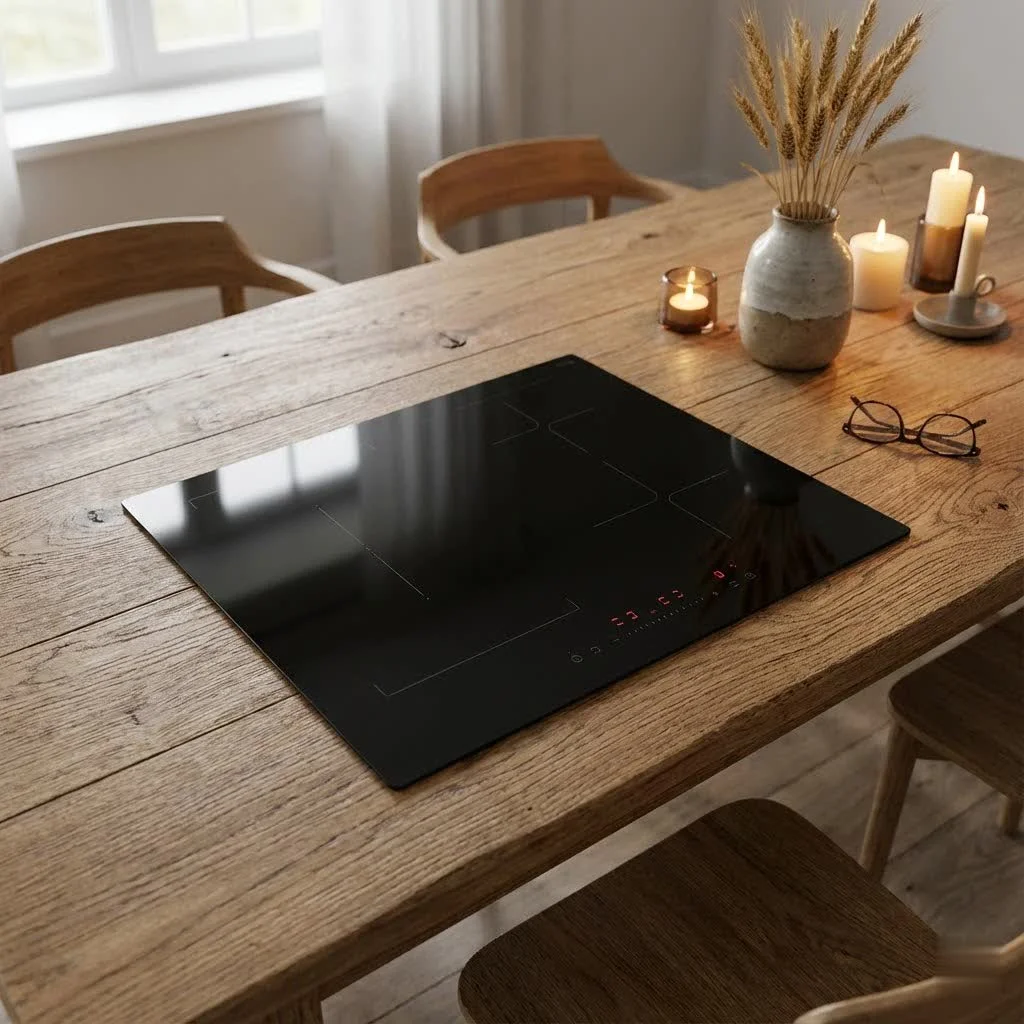
Why Commercial Induction Hobs are a major upgrade for Professional Kitchens
Commercial induction hobs offer a suite of advantages that can transform daily operations in any professional culinary setting, from Michelin-star restaurants to dynamic food trucks.
Unmatched Speed and Precision
Commercial induction technology heats up to 40% faster than gas or electric, channeling almost all energy directly into the pan. This allows for water to boil in mere minutes and provides instantaneous temperature adjustments, from a gentle simmer to a roaring sear. Chefs gain precise control for delicate sauces or high-heat stir-fries, enabling smarter cooking with absolute command over culinary creations.
Exceptional Energy Efficiency
Commercial induction hobs boast efficiency rates of 85-95%, meaning nearly all electricity consumed goes directly into heating the food, not the surrounding air. This significantly reduces energy bills and operational costs over time, making a substantial positive impact on both budget and the environment.
Enhanced Safety Features
Safety in a busy commercial kitchen is paramount. Induction hobs eliminate open flames or glowing elements, reducing fire hazards and accidental burns. The cooktop surface remains relatively cool, heating only from residual warmth transferred from the pan. Most models include smart features like automatic pan detection and overheat protection, dramatically reducing accident risks.
Effortless Cleaning and Hygiene
Commercial induction hobs feature smooth, flat glass-ceramic surfaces that make cleanup simple. Spills do not bake onto the cool surface, requiring only a quick wipe with a damp cloth. The absence of grates or crevices prevents food particles and grease from accumulating, promoting superior hygiene standards.
A Cooler, More Comfortable Kitchen Environment
By heating only the pan and its contents, commercial induction hobs generate significantly less ambient heat compared to traditional methods. This results in a cooler, more comfortable environment for staff, potentially reducing the need for extensive ventilation systems and cutting air conditioning costs. A cooler kitchen enhances chef productivity and satisfaction.
Understanding the Different Types of Commercial Induction Hobs
Commercial induction hobs come in various forms, each designed to meet specific operational needs and spatial constraints, helping you choose the perfect fit for your setup.
By Installation
|
Our Picks for the Best Induction Hob in 2026
As an Amazon Associate I earn from qualifying purchases.
|
||
| Num | Product | Action |
|---|---|---|
| 1 | ChangBERT Induction Cooktop, Commercial Grade Portable Cooker, Large 8” Heating Coil, Premium Stainless Steel Countertop Burner with NSF Certified, 10 Hours Timer Powerful 1800W Professional Hot Plate |

|
| 2 | Duxtop Portable Induction Cooktop Burner, Induction Hot Plate with LCD Sensor Touch 1800 Watts, Silver 9600LS/BT-200DZ |
|
| 3 | Mueller RapidTherm Portable Induction Cooktop Hot Plate Countertop Burner 1800W, 8 Temp Levels, Timer, Auto-Shut-Off, Touch Panel, LED Display, Auto Pot Detection, Child Safety Lock, 4 Preset Programs |
|
| 4 | Duxtop 1800W Portable Induction Cooktop Countertop Burner, Gold 8100MC/BT-180G3 |
|
| 5 | Nuwave Flex Precision Induction Cooktop, 10.25” Shatter-Proof Ceramic Glass, 6.5” Heating Coil, 45 Temps from 100°F to 500°F, 3 Wattage Settings 600, 900 & 1300 Watts, Black |
|
| 6 | Duxtop Professional Portable Induction Cooktop, Commercial Range Countertop Burner, 1800 Watts Induction Burner with Sensor Touch and LCD Screen, P961LS/BT-C35-D, Silver/Black |
|
| 7 | LỖI |
|
| 8 | AMZCHEF Portable-Induction-Cooktop: 74 Temperature Levels Induction Burner with Digital Probe, 1800W Countertop Burner with 20 Power Levels, 6.5\" Heating Coil, Low Noise Electric Cooktops with Timer |
|
| 9 | Portable Induction Cooktop 20 Temperature & Power Levels,1800W Single Burner Electric Cooktop with 6.8 inch Heating Coil,Low Noise Hot Plate with Timer |
|
| 10 | AMZCHEF Portable Induction Cooktop 20 Temperature & Power Levels, 1800W Induction Stove Burner with 6.8\" Heating Coil, Low Noise Hot Plate Single Electric Cooktops Countertop Stove with Timer |
|
- Countertop Models: These versatile and often portable units are ideal for smaller kitchens, temporary setups, or mobile catering businesses like food trucks. They offer flexibility and typically come in single or double burner configurations.
- Drop-in Units: Designed for a sleek, integrated look, drop-in commercial induction hobs are built directly into countertops. They provide a seamless cooking surface, perfect for custom kitchen designs where aesthetics and efficiency are key.
- Freestanding/Vertical Ranges: These heavy-duty models are the workhorses for high-volume kitchens, often featuring multiple burners and sometimes integrated ovens. They are suitable for large restaurants, hotels, or institutional catering.
By Surface Type
- Flat Panel Hobs: The most common type, flat panel commercial induction hobs accommodate standard flat-bottomed pots and pans, offering versatility for a wide range of cooking tasks.
- Concave (Wok) Hobs: Specifically designed with a curved surface, these hobs are perfect for professional Asian kitchens that rely on round-bottom woks for high-heat stir-frying, ensuring maximum contact and efficient heating.
By Configuration
Commercial induction hobs are available in various zone configurations, from compact single-zone units to expansive six-burner models, allowing kitchens to scale their cooking capacity precisely based on whether a single dedicated station or a multi-tasking powerhouse is needed.
Choosing Your Perfect Commercial Induction Hob: What to Consider
Selecting the right commercial induction hob is a significant investment that requires careful consideration to align with your kitchen’s demands and long-term goals.
Power Output and Wattage
Commercial induction hobs typically range from 1.2 kW to 5 kW per burner, with heavy-duty models offering even higher wattage. Higher wattage translates to faster heating and more intense cooking power, crucial for rapid boiling or consistent simmering. Matching power output to your menu and volume is essential for optimal performance.
Size and Number of Cooking Zones
Consider your available kitchen space and expected workload. A compact, portable single-zone commercial induction hob might suffice for a small cafe, while a bustling restaurant may require a multi-zone, built-in unit to handle several dishes simultaneously during peak service.
Durability and Construction
Commercial kitchens demand robust equipment. Look for models with stainless steel housing and thick, commercial-grade glass-ceramic surfaces (typically 6mm thick, compared to 4mm for domestic units). These materials ensure the hob can withstand heavy daily use and accidental impacts, providing long-lasting performance.
Crucial Safety Features
Beyond the inherent safety of induction, prioritize features like precise digital temperature controls, automatic shut-off when a pan is removed or boil-dry conditions are detected, and comprehensive overheat protection. These smart functionalities further safeguard your kitchen and staff.
Cookware Compatibility
Induction hobs require ferromagnetic cookware, meaning pots and pans with a magnetic base, such as cast iron, magnetic stainless steel, and some enamel-on-steel. A simple magnet test confirms compatibility. While this may require an initial investment in new cookware, the long-term benefits outweigh this consideration.
Budget and Long-Term Investment
While the upfront cost of a commercial induction hob can be higher, the significant savings in energy consumption, reduced maintenance, and increased kitchen productivity often make induction a more cost-effective choice over its lifespan of 8-10 years.
Maximizing Longevity: Essential Maintenance Tips for Your Commercial Induction Hob
Consistent care ensures optimal performance, prevents costly repairs, and extends the operational life of your commercial induction hob.
Daily Cleaning Routines
After each use, allow the hob to cool, then wipe the surface with a soft, damp cloth and mild detergent. For stubborn spills, use a non-abrasive cleaner designed for glass cooktops. Avoid abrasive scrubbers, harsh chemicals, or sharp objects to prevent damage to the glass-ceramic surface.
Ventilation is Key
Regularly check and clean the ventilation vents, typically on the sides and back of the unit, to prevent dust, grease, and debris from restricting airflow. Clear ventilation ensures the internal cooling fans prevent overheating of electronic components, maintaining efficiency and preventing damage.
Use the Right Cookware
Only use induction-compatible cookware with flat, smooth bases. Warped or scratched pot bottoms can affect heat transfer efficiency and potentially damage the hob’s surface. Ensure cookware is in good condition and correctly sized for the cooking zone to contribute to the hob’s longevity.
Avoid Overloading and Impacts
Prevent placing excessively heavy pots or multiple pans that exceed the designated weight capacity of a burner. Avoid heavy impacts or dropping items on the glass surface, as this can lead to cracks or chips. Gentle handling significantly extends the hob’s life.
Regular Professional Servicing
Schedule preventative maintenance with a qualified technician annually or semi-annually. This identifies potential issues before they escalate, calibrates settings for optimal efficiency, and ensures all components function correctly, saving money and downtime in the long run.
Frequently Asked Questions (FAQ)
Q: How do commercial induction hobs work?
A: Commercial induction hobs generate an electromagnetic field beneath the glass surface. This field induces a current directly into an induction-compatible pan, causing it to heat rapidly, while the hob surface itself remains relatively cool.
Q: Are commercial induction hobs more expensive than gas or electric?
A: The initial purchase price of a commercial induction hob can be higher than comparable gas or electric units. However, their superior energy efficiency, faster cooking times, and reduced operational costs often lead to significant long-term savings, making them a more cost-effective choice over their lifespan.
Q: What kind of pots and pans do I need for a commercial induction hob?
A: You need ferromagnetic cookware, such as cast iron, magnetic stainless steel, and some enamel-on-steel, which are materials attracted to magnets. A quick test with a kitchen magnet will confirm if your existing pans are compatible.
Q: Can I use a commercial induction hob in a food truck?
A: Yes, countertop commercial induction hobs are an excellent choice for food trucks due to their energy efficiency, lack of open flame (a safety advantage in confined spaces), and often portable design. They operate efficiently even with generator power.
Q: How long do commercial induction hobs typically last?
A: With proper care, regular cleaning, and periodic professional maintenance, a high-quality commercial induction hob can last anywhere from 8 to 10 years, and often longer. Their robust construction and efficient operation contribute to a long and reliable service life.
The Future of Commercial Cooking is Here
Commercial induction hobs offer a clear path to a more efficient, safer, and profitable kitchen. From lightning-fast heating and surgical precision to undeniable energy savings and cooler working conditions, these appliances represent a significant leap forward in culinary technology. Embrace the power of induction to improve your kitchen operations and ignite your culinary potential!
Frequently Asked Questions
How do commercial induction hobs work to heat cookware?
Commercial induction hobs generate an electromagnetic field beneath the glass surface. This field induces a current directly into an induction-compatible pan, causing it to heat rapidly, while the hob surface itself remains relatively cool. This direct heating method contributes to their high efficiency of 85-95%.
Are commercial induction hobs a cost-effective investment for restaurants?
While the initial purchase price of a commercial induction hob can be higher than comparable gas or electric units, their superior energy efficiency and faster cooking times lead to significant long-term savings. Reduced operational costs and increased productivity often make them a more cost-effective choice over their 8-10 year lifespan.
What types of pots and pans are compatible with commercial induction hobs?
You need ferromagnetic cookware, meaning pots and pans made of materials that are attracted to magnets. This includes cast iron, magnetic stainless steel, and some enamel-on-steel cookware. A quick test with a kitchen magnet will confirm if your existing pans are compatible.
Can commercial induction hobs be used effectively in food trucks?
Absolutely, countertop commercial induction hobs are an excellent choice for food trucks due to their energy efficiency, lack of open flame (a significant safety advantage in confined spaces), and often portable design. They operate efficiently even with generator power, making them highly versatile for mobile catering.
What is the typical lifespan of a commercial induction hob with proper maintenance?
With proper care, regular cleaning, and periodic professional maintenance, a high-quality commercial induction hob can last anywhere from 8 to 10 years, and often longer. Their robust construction and efficient operation contribute to a long and reliable service life, minimizing downtime.
Maintain Your Commercial Induction Hob for Longevity
Proper maintenance ensures optimal performance, prevents costly repairs, and extends the operational life of your commercial induction hob.
After each use, allow the hob to cool completely. Wipe the surface with a soft, damp cloth and a mild detergent. For stubborn spills, use a non-abrasive cleaner specifically designed for glass cooktops, avoiding harsh chemicals or sharp objects to prevent damage.
Regularly check and clean the ventilation vents, typically located on the sides and back of the unit. Dust, grease, and debris can accumulate and restrict airflow, leading to reduced efficiency or even damage. Clear ventilation ensures the internal cooling fans prevent overheating.
Only use induction-compatible cookware with flat, smooth bases. Warped or scratched pot bottoms can affect heat transfer efficiency and potentially damage the hob's surface over time. Ensure your cookware is in good condition and correctly sized for the cooking zone to contribute to your hob's longevity.
Prevent placing excessively heavy pots or multiple pans that exceed the designated weight capacity of a burner. Similarly, avoid heavy impacts or dropping items on the glass surface, as this can lead to cracks or chips. Gentle handling significantly extends the hob's life and prevents costly repairs.
Schedule preventative maintenance with a qualified technician annually or semi-annually. This proactive approach can identify potential issues before they escalate, calibrate settings for optimal efficiency, and ensure all components are functioning correctly. Regular servicing saves money and downtime in the long run.
Cooking gear we tested in our own kitchens
Free PDF — preheat times measured on 10 popular air fryers.

The instant temperature control on these commercial induction hobs is fantastic, and it really does make a difference in cooking delicate sauces. However, I found the initial learning curve a bit steeper than I expected, especially getting used to the different heat distribution compared to gas. It’s a solid piece of equipment, but be prepared for a slight adjustment period if you’re coming from traditional ranges.
I’ve been looking into induction for my catering business, especially for the food truck side. The energy efficiency is a big draw, and the idea of up to 95% efficiency sounds amazing for keeping costs down. My only minor complaint is that some of my older, non-induction ready pots and pans are now useless, but that’s a small price to pay for the benefits. Overall, very happy with the switch.
We recently upgraded our restaurant kitchen with a few of the commercial induction hobs mentioned here, and the difference is night and day. The speed and precision are truly unmatched; we’re hitting temperatures so much faster than with our old gas range. Plus, the kitchen stays noticeably cooler, which is a huge bonus during busy shifts. Definitely a game-changer for our daily operations.
After 15 years in the industry, I’ve seen a lot of kitchen tech come and go, but commercial induction is here to stay. The safety aspect alone, with no open flames, is a huge relief for our staff. We’ve also noticed a significant reduction in our utility bills since making the switch. It’s an investment, but one that pays off quickly in a professional setting.