An induction hob revolutionizes cooking by using electromagnetic induction to heat cookware directly, offering superior speed, precision, and safety compared to traditional gas or electric stovetops. This technology generates heat within the pan itself, rather than on the hob’s surface, leading to faster cooking times and enhanced energy efficiency. Induction hobs are a major upgrade for modern kitchens, providing instant heat, precise temperature control, and a safer cooking environment.
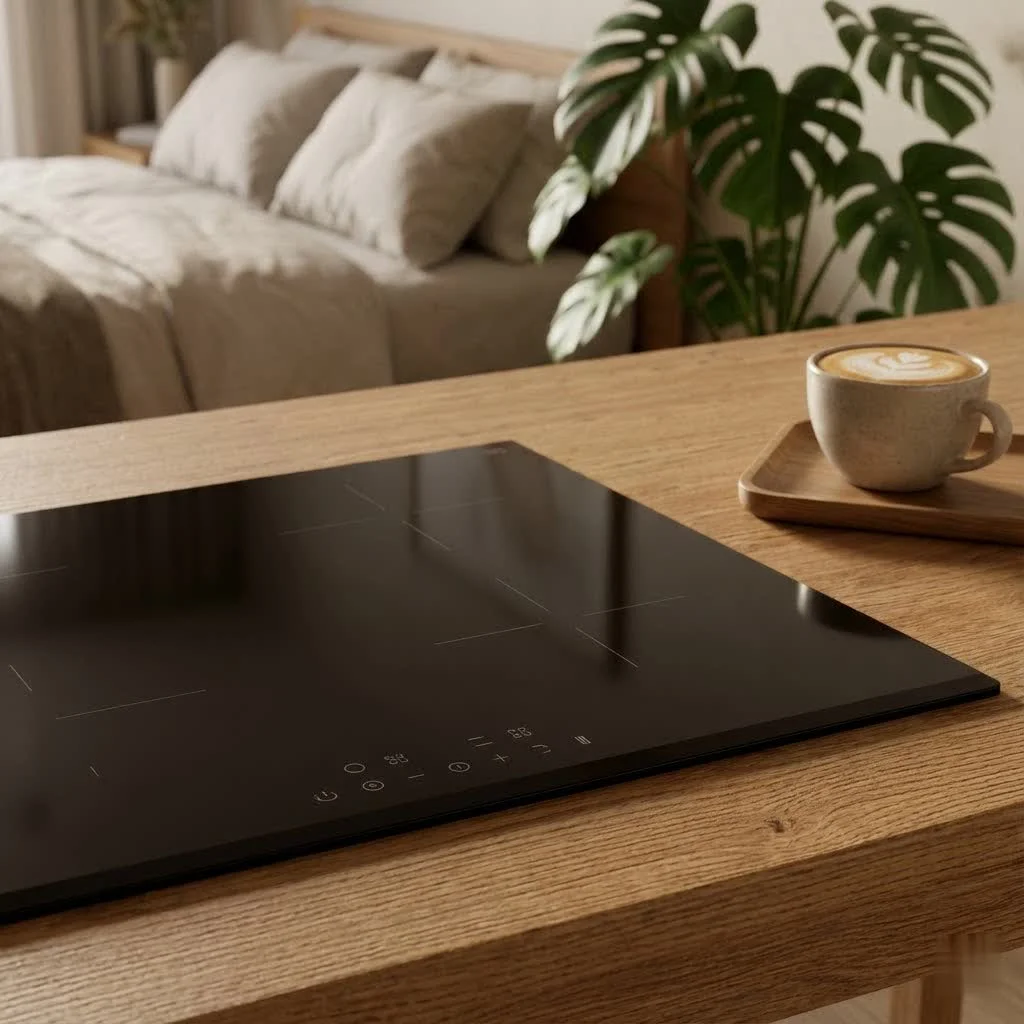
How Does an Induction Hob Work Its Magic?
At its core, an induction hob is a marvel of modern engineering, operating on the principle of electromagnetic induction to deliver heat directly to your cookware. Unlike traditional gas burners, which use an open flame, or electric coil stovetops, which rely on radiant heat from a heated element, an induction hob has copper coils hidden beneath its sleek glass-ceramic surface. For explore our induction hobs reviews on this site.
When you switch on an induction hob and place a compatible pot or pan on one of its cooking zones, an alternating electric current flows through these copper coils. This creates a dynamic electromagnetic field. When this field interacts with the magnetic material in the base of your cookware, it induces electric currents (known as eddy currents) directly within the pan itself. The resistance of the pan to these currents generates heat – and just like that, your food starts cooking! The hob’s surface, however, remains relatively cool to the touch, as the heat is produced in the pan, not on the hob.
Unlocking the Benefits: Why Induction Hobs Are a major upgrade
Choosing an induction hob isn’t just about upgrading your kitchen; it’s about transforming your entire cooking experience. The benefits are numerous and impactful, making them a favorite for discerning cooks.
Instant Heat, Ultimate Control
Imagine boiling water in mere minutes or searing a steak with restaurant-quality precision. Induction hobs deliver heat almost instantaneously, eliminating the frustrating wait times associated with gas or traditional electric cooktops. What’s more, the temperature control is incredibly precise. You can go from a rolling boil to a gentle simmer with a flick of a switch, and the change in heat is immediate. “This level of responsiveness allows for incredible culinary finesse,” says Chef Amelia Thorne, a renowned culinary instructor. “You have the power to perfectly control delicate sauces or rapidly adjust to prevent overcooking, making you feel like a true master of your kitchen.”
Energy Efficiency: Saving You Money and the Planet
One of the most compelling reasons to choose an induction hob is its superior energy efficiency. Because heat is generated directly in the cookware, there’s minimal energy wasted heating the surrounding air or the hob’s surface. This means more of the energy consumed goes directly into cooking your food, translating to faster cooking times and lower electricity bills. Studies consistently show induction cooking to be significantly more efficient than both gas and traditional electric methods. It’s a win-win for your wallet and the environment.
Safety First: A Cooler, Smarter Kitchen
|
Our Picks for the Best Induction Hob in 2026
As an Amazon Associate I earn from qualifying purchases.
|
||
| Num | Product | Action |
|---|---|---|
| 1 | Portable Induction Cooktop 20 Temperature & Power Levels,1800W Single Burner Electric Cooktop with 6.8 inch Heating Coil,Low Noise Hot Plate with Timer |

|
| 2 | LỖI |
|
| 3 | Mueller RapidTherm Portable Induction Cooktop Hot Plate Countertop Burner 1800W, 8 Temp Levels, Timer, Auto-Shut-Off, Touch Panel, LED Display, Auto Pot Detection, Child Safety Lock, 4 Preset Programs |
|
| 4 | AMZCHEF Portable Induction Cooktop 20 Temperature & Power Levels, 1800W Induction Stove Burner with 6.8\" Heating Coil, Low Noise Hot Plate Single Electric Cooktops Countertop Stove with Timer |
|
| 5 | Duxtop 1800W Portable Induction Cooktop Countertop Burner, Gold 8100MC/BT-180G3 |
|
| 6 | AMZCHEF Portable-Induction-Cooktop: 74 Temperature Levels Induction Burner with Digital Probe, 1800W Countertop Burner with 20 Power Levels, 6.5\" Heating Coil, Low Noise Electric Cooktops with Timer |
|
| 7 | Duxtop Portable Induction Cooktop Burner, Induction Hot Plate with LCD Sensor Touch 1800 Watts, Silver 9600LS/BT-200DZ |
|
| 8 | Duxtop Professional Portable Induction Cooktop, Commercial Range Countertop Burner, 1800 Watts Induction Burner with Sensor Touch and LCD Screen, P961LS/BT-C35-D, Silver/Black |
|
| 9 | ChangBERT Induction Cooktop, Commercial Grade Portable Cooker, Large 8” Heating Coil, Premium Stainless Steel Countertop Burner with NSF Certified, 10 Hours Timer Powerful 1800W Professional Hot Plate |
|
| 10 | Nuwave Flex Precision Induction Cooktop, 10.25” Shatter-Proof Ceramic Glass, 6.5” Heating Coil, 45 Temps from 100°F to 500°F, 3 Wattage Settings 600, 900 & 1300 Watts, Black |
|
Safety is paramount in any kitchen, and induction hobs excel in this area. Since the hob surface itself doesn’t generate heat, it remains cooler to the touch, drastically reducing the risk of accidental burns. Spills don’t bake onto the surface, making cleanup safer and easier. Most induction hobs also come equipped with smart safety features like automatic pan detection (they only activate when a compatible pan is present), auto-off functions if a pan is removed or left unattended, and child lock features to prevent curious little hands from accidentally turning them on. It’s truly a smarter, safer way to cook.
Effortless Cleaning: A Gleaming Surface Every Time
The smooth, flat glass-ceramic surface of an induction hob isn’t just elegant; it’s incredibly practical for cleaning. Unlike gas stovetops with intricate grates and burners that trap food particles, or electric coils that can be hard to reach around, induction surfaces wipe clean with remarkable ease. Because the surface stays cooler, spilled food and liquids don’t get scorched onto the glass, making post-meal cleanup a breeze.
The Essential Tool: Choosing the Right Cookware for Your Induction Hob
While induction hobs offer many advantages, they do require a specific type of cookware: pots and pans with a magnetic base. This is crucial for the electromagnetic induction process to work.
What to look for:
- Magnetic Materials: The most common compatible materials include cast iron, magnetic stainless steel (not all stainless steel is magnetic!), and carbon steel.
- The Magnet Test: The simplest way to check if your existing cookware is compatible is to place a small magnet on the bottom of the pan. If the magnet sticks firmly, your pan will work on an induction hob. If it doesn’t stick or sticks weakly, it’s not suitable.
- Induction-Ready Symbol: Many manufacturers include an induction-compatible symbol (often a coil icon) on the bottom of their cookware or its packaging.
Using incompatible cookware simply means the hob won’t heat up, or it might display an error code. Investing in a good set of induction-compatible pots and pans is a worthwhile investment that will ensure optimal performance from your new appliance.
Keeping Your Induction Hob Pristine: A Maintenance Masterclass
Maintaining your induction hob is straightforward, but consistency is key to preserving its sleek appearance and ensuring its longevity. With Gooau’s expert tips, your hob will shine for years.
Daily Habits for a Long-Lasting Hob
- Wipe After Every Use: The simplest and most effective maintenance step is to wipe down your hob after each cooking session. Wait for the surface to cool completely, then use a soft, damp cloth with a mild dish soap solution or a splash of white vinegar. This prevents food particles and grease from building up.
- Be Gentle: Avoid dragging heavy pots and pans across the glass surface, as this can lead to scratches. Instead, lift and place them carefully.
Tackling Tough Stains and Scratches
Even with the best care, sometimes spills happen.
- For Burnt-On Residue: If food has cooked onto the surface, allow the hob to cool. Then, use a specialized induction cooktop scraper (a razor blade designed for glass surfaces) at a shallow angle to gently lift the stubborn residue. Finish with a glass cleaner.
- Avoid Abrasives: Harsh chemicals, abrasive sponges, scouring pads, and bleach-based cleaners are the sworn enemies of your induction hob’s glass surface. They can cause irreparable scratches and dull the finish. Stick to gentle, non-abrasive solutions.
- Protection: Consider using a hob cover or placing a thin silicone mat under your pans during cooking (check manufacturer guidelines for safe use with mats) to offer an extra layer of protection against spills and scratches.
What NOT to Do
- Don’t Use Harsh Cleaners: As mentioned, abrasive cleaners and strong chemicals can damage the surface.
- Don’t Drag Cookware: Always lift pots and pans to prevent scratching the glass.
- Don’t Use as a Cutting Board or Counter Space: The glass surface is designed for cooking, not for chopping food or resting heavy, sharp objects.
- Never Leave Empty Cookware: Leaving an empty pan on a high heat setting for too long can cause it to overheat and potentially damage the hob.
Troubleshooting Common Induction Hob Problems: Your Quick-Fix Guide
Even the most reliable appliances can sometimes have a hiccup. Here’s a quick troubleshooting guide to help you resolve common induction hob issues.
“My Pan Won’t Heat Up!”
This is the most frequent issue newcomers face.
- Check Cookware Compatibility: Is your pan magnetic? Use the magnet test.
- Ensure Flat Base: Warped or uneven pan bases can disrupt the magnetic field.
- Correct Sizing: Make sure your pan is appropriately sized for the cooking zone. Too small, and the hob might not detect it; too large, and heating might be uneven.
The Hob Won’t Turn On
- Power Supply: Is the hob properly plugged in? Check if the circuit breaker has tripped in your fuse box.
- Control Lock: Many induction hobs have a child lock or control panel lock. Make sure it’s deactivated.
- Internal Fault: If power is fine and no lock is on, there might be an internal issue like a faulty power supply or control board, requiring professional inspection.
Flashing Displays or Error Codes
Induction hobs are smart and often display error codes when something isn’t quite right.
- Consult Your Manual: This is your best friend! The manual will explain what each code means and often provide solutions.
- Common Causes: Error codes frequently indicate issues like overheating (perhaps an empty pan was left on high heat), incompatible cookware, or a pan being removed too quickly.
- Reset: Sometimes simply turning the hob off at the power source for a minute and then back on can clear a temporary error.
Strange Noises: What’s That Sound?
- Normal Sounds: It’s normal for induction hobs to produce a low hum or buzzing sound, especially at higher power settings, or a quiet fan noise as internal components cool down.
- Unusual Noises: If you hear loud crackling, grinding, or an excessively loud fan, it could indicate an issue with the pan (e.g., poor quality construction, loose layers) or an internal component that might need attention.
Unresponsive Touch Controls
- Clean the Surface: Food spills, grease, or moisture on the control panel can interfere with the touch sensors. Wipe the surface thoroughly with a clean, dry cloth.
- Control Lock: Again, double-check that the control panel isn’t locked.
Uneven Cooking
- Cookware Quality and Size: Ensure your cookware is high-quality, has a thick, flat magnetic base, and is well-matched to the size of the cooking zone. Very thin or warped pans can lead to hot spots.
When to Call in the Pros: Recognizing Serious Issues
While many minor issues can be resolved with simple troubleshooting, some problems warrant professional attention.
- Cracked or Shattered Glass Surface: This is not something you can repair yourself. A cracked hob surface requires immediate replacement to ensure safety and functionality.
- Persistent Error Codes or Malfunctions: If you’ve tried all troubleshooting steps and your hob continues to display errors or misbehave, it’s time to contact a qualified technician.
- Damaged Internal Components: Issues like a suspected damaged copper coil, a major power supply fault, or a completely unresponsive control board typically require expert repair.
- Unusual Odors or Sounds: Any burning smells, excessive smoke, or persistent loud, unusual noises should prompt you to turn off the hob and seek professional help immediately.
Embrace the Future of Cooking
The induction hob is more than just a kitchen appliance; it’s an intelligent cooking companion that offers unparalleled speed, precision, and safety. By understanding how it works, selecting the right cookware, and following simple maintenance routines, you can ensure your induction hob remains a powerful and efficient part of your kitchen for many years to come. Embrace the future of cooking with confidence, and for more expert insights and troubleshooting tips, to visit Gooau.com – your trusted resource for all things induction. Happy cooking!
Frequently Asked Questions
How do induction hobs generate heat for cooking food?
Induction hobs generate heat through electromagnetic induction. Copper coils beneath the glass surface create a magnetic field that induces eddy currents directly within the base of compatible magnetic cookware, causing the pan itself to heat up. The hob's surface remains relatively cool, as heat is produced in the pan, not on the hob.
What are the main advantages of using an induction hob?
Induction hobs offer several key advantages, including instant heat delivery, precise temperature control, and superior energy efficiency. They also provide enhanced safety features, such as a cooler surface to the touch and automatic pan detection, and are remarkably easy to clean due to their smooth glass-ceramic surface.
What type of cookware is required for induction cooking?
Induction cooking requires cookware with a magnetic base. Compatible materials include cast iron, magnetic stainless steel, and carbon steel. To check compatibility, place a small magnet on the bottom of your pan; if it sticks firmly, the pan is suitable for an induction hob.
How can I troubleshoot if my induction hob isn't heating a pan?
If your induction hob isn't heating a pan, first check if the cookware is magnetic using a magnet test. Ensure the pan has a flat base and is appropriately sized for the cooking zone. Warped bases or incorrect sizing can disrupt the magnetic field and prevent heating.
What are common maintenance tips for an induction hob?
To maintain an induction hob, wipe it down with a soft, damp cloth and mild soap after every use once it has cooled. Avoid dragging heavy pots to prevent scratches. For tough stains, use a specialized cooktop scraper and non-abrasive cleaners. Never use harsh chemicals or abrasive sponges.
When should I call a professional for induction hob repair?
You should call a professional for serious issues such as a cracked or shattered glass surface, persistent error codes after troubleshooting, or suspected damage to internal components like copper coils or the control board. Any unusual odors, excessive smoke, or loud, persistent noises also warrant immediate professional inspection.
Maintain Your Induction Hob
Follow these steps to keep your induction hob pristine and ensure its longevity, preventing common issues and preserving its sleek appearance.
After each cooking session, allow the hob surface to cool completely. Then, use a soft, damp cloth with a mild dish soap solution or white vinegar to wipe it down. This simple habit prevents food particles and grease from building up, making daily cleaning effortless.
Avoid dragging heavy pots and pans across the glass-ceramic surface of your induction hob. Instead, lift and place them carefully. This practice significantly reduces the risk of scratches and helps maintain the hob's smooth, pristine finish over time.
If food has cooked onto the surface, let the hob cool completely. Use a specialized induction cooktop scraper (a razor blade designed for glass surfaces) at a shallow angle to gently lift the stubborn residue. Finish by cleaning with a glass cleaner to restore shine.
Never use abrasive chemicals, scouring pads, bleach-based cleaners, or harsh sponges on your induction hob's glass surface. These can cause irreparable scratches and dull the finish. Stick to gentle, non-abrasive solutions to protect the surface.
Consider using a hob cover when not in use or placing a thin silicone mat under your pans during cooking (check manufacturer guidelines for safe use with mats). This provides an extra layer of protection against spills, scratches, and minor impacts, extending the life of your hob.
Cooking gear we tested in our own kitchens
Free PDF — preheat times measured on 10 popular air fryers.
I finally upgraded to an induction hob after years of using a traditional electric stove, and wow, what a difference! The speed is incredible; water boils in what feels like seconds. I love the precise temperature control too, it makes simmering sauces so much easier without worrying about burning them. Definitely a game-changer for my kitchen.
I was hesitant about switching from gas, but the safety aspect of induction really sold me. No open flame and the surface stays relatively cool, which is a huge plus with kids around. The instant heat and precise control have made my daily cooking so much more enjoyable. I can’t imagine going back to anything else now.
I’ve been using a portable induction cooktop for a few months now, mainly for camping trips and extra cooking space during holidays. It’s fantastic for quick meals and the energy efficiency is noticeable. My only minor complaint is that some of my older non-magnetic pans aren’t compatible, so I had to invest in a few new pieces of cookware. Still, totally worth it for the convenience.
The induction hob I got is pretty good for the most part. It heats up super fast, which is great, and cleaning the sleek glass surface is a breeze. However, I’ve noticed a slight buzzing sound when I use it on higher settings, which can be a bit annoying. It’s not constant, but it’s there. Otherwise, it’s a solid upgrade from my old gas range.