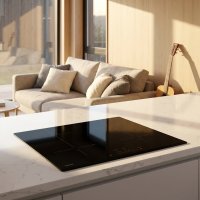
Welcome, fellow culinary enthusiasts and kitchen professionals! As someone who’s spent over 15 years immersed in the world of induction cooking, from the sizzle of a busy restaurant kitchen to the quiet hum of a home chef’s sanctuary, I can tell you that a truly great induction hob is a game-changer. Here at Gooau.com, our mission is to cut through the jargon and empower you with the knowledge to master your appliances. Today, we’re diving deep into a workhorse of the professional kitchen that’s also finding its way into advanced home setups: the Buffalo Induction Hob.
This isn’t just another cooking surface; it’s a testament to efficiency, durability, and precise control. Whether you’re running a bustling café, managing a pop-up kitchen, or simply seeking to elevate your home cooking, understanding the full potential of your Buffalo induction hob is key to unlocking a world of culinary possibilities. Let’s get cooking! For see our induction hobs recommendations on this site.
What Makes the Buffalo Induction Hob Stand Out?
The Buffalo Induction Hob isn’t just built; it’s engineered for performance. It’s designed to handle the rigorous demands of commercial environments, making it an incredibly robust and reliable choice for any kitchen where power and precision are paramount.
Power and Precision at Your Fingertips
Imagine a hob that responds to your touch with instant heat, allowing you to sear, simmer, or boil with unparalleled accuracy. The Buffalo 3kW induction hob delivers exactly that. With its impressive 3000 watts of power, you’re not waiting around for water to boil or oil to heat up. It’s ready when you are. But power alone isn’t enough; control is where the Buffalo truly shines. Offering 26 distinct power settings via a simple, intuitive rotary control, you can fine-tune your heat from a gentle simmer for delicate sauces to a rolling boil for large quantities of stock. This level of granular control is something you truly appreciate when every degree matters.
Built for the Long Haul: Commercial-Grade Durability
In any kitchen, durability is non-negotiable. The Buffalo induction hob features a sturdy stainless steel construction, designed to withstand the daily knocks and spills of a busy cooking environment. The sleek black ceramic glass surface isn’t just stylish; it’s incredibly strong and easy to clean. This robust build ensures that your investment continues to perform reliably, shift after shift, year after year. As our lead technician, Anna Petrova, often says, “A great induction hob isn’t just about what it does today; it’s about how consistently it performs for years to come. The Buffalo is built to last.”
Unmatched Energy Efficiency: The Induction Advantage
|
Our Picks for the Best Induction Hob in 2026
As an Amazon Associate I earn from qualifying purchases.
|
||
| Num | Product | Action |
|---|---|---|
| 1 | Mueller RapidTherm Portable Induction Cooktop Hot Plate Countertop Burner 1800W, 8 Temp Levels, Timer, Auto-Shut-Off, Touch Panel, LED Display, Auto Pot Detection, Child Safety Lock, 4 Preset Programs |

|
| 2 | LỖI |
|
| 3 | Nuwave Flex Precision Induction Cooktop, 10.25” Shatter-Proof Ceramic Glass, 6.5” Heating Coil, 45 Temps from 100°F to 500°F, 3 Wattage Settings 600, 900 & 1300 Watts, Black |
|
| 4 | Portable Induction Cooktop 20 Temperature & Power Levels,1800W Single Burner Electric Cooktop with 6.8 inch Heating Coil,Low Noise Hot Plate with Timer |
|
| 5 | AMZCHEF Portable Induction Cooktop 20 Temperature & Power Levels, 1800W Induction Stove Burner with 6.8\" Heating Coil, Low Noise Hot Plate Single Electric Cooktops Countertop Stove with Timer |
|
| 6 | Duxtop Professional Portable Induction Cooktop, Commercial Range Countertop Burner, 1800 Watts Induction Burner with Sensor Touch and LCD Screen, P961LS/BT-C35-D, Silver/Black |
|
| 7 | Duxtop 1800W Portable Induction Cooktop Countertop Burner, Gold 8100MC/BT-180G3 |
|
| 8 | AMZCHEF Portable-Induction-Cooktop: 74 Temperature Levels Induction Burner with Digital Probe, 1800W Countertop Burner with 20 Power Levels, 6.5\" Heating Coil, Low Noise Electric Cooktops with Timer |
|
| 9 | ChangBERT Induction Cooktop, Commercial Grade Portable Cooker, Large 8” Heating Coil, Premium Stainless Steel Countertop Burner with NSF Certified, 10 Hours Timer Powerful 1800W Professional Hot Plate |
|
| 10 | Duxtop Portable Induction Cooktop Burner, Induction Hot Plate with LCD Sensor Touch 1800 Watts, Silver 9600LS/BT-200DZ |
|
One of the most compelling reasons to choose a Buffalo induction hob is its incredible energy efficiency. Unlike traditional gas or electric hobs that lose a significant amount of heat to the surrounding air, induction technology works by creating a magnetic field that directly heats your compatible cookware. This means up to 90% of the energy used is channeled directly into the cooking vessel, minimizing wasted energy and speeding up cooking times significantly. This not only translates to reduced running costs for your business or home but also contributes to a cooler and safer kitchen environment. You’ll notice the difference, especially on long cooking days!
Safety First in Every Sizzle
Safety is a cornerstone of good kitchen design, and the Buffalo induction hob excels here. The surface itself remains relatively cool, only heating up where it comes into direct contact with the hot pan. This drastically reduces the risk of accidental burns, making it a safer option than open flames or radiant electric elements. Furthermore, its intelligent pan detection function means the hob only activates when suitable cookware is placed on it, further enhancing safety and preventing energy waste.
Features That Matter: A Closer Look at the Buffalo 3kW
Understanding the specific features can help you integrate this powerful tool seamlessly into your cooking routine.
Design and Dimensions
The Buffalo 3kW induction hob is designed to be a versatile countertop unit. Typically measuring around 100mm (H) x 330mm (W) x 430mm (D) and weighing approximately 5.6 kg, it’s compact enough to fit into smaller kitchens or mobile catering setups, yet powerful enough to act as a primary cooking source. Its plug-and-play nature (13A power supply) means you can set it up wherever you have an available socket.
Control and Operation: Effortless Precision
Operating the Buffalo hob is refreshingly simple. The intuitive rotary control allows for quick and easy adjustment of its 26 power settings. This direct feedback and immediate response from the hob mean you’re always in command of your cooking, allowing for precise temperature management crucial for delicate culinary tasks and high-heat searing alike.
Cookware Compatibility: Getting the Right Fit
To get the best out of your Buffalo induction hob, using induction-compatible cookware is essential. This generally means pots and pans with a flat base made of ferrous metal (magnetic material like cast iron or magnetic stainless steel). The hob is designed to work efficiently with pans ranging from 120mm to 280mm in diameter, offering flexibility for various cooking needs. If a magnet sticks firmly to the bottom of your pan, you’re good to go!
The “Soft Start” and Timer Nuance
While generally user-friendly, some users, particularly those integrating the hob into automated systems like homebrewing setups, have noted a “soft start” requirement. This means the hob often needs to be powered up manually via its own switch after being connected to the mains, rather than being solely controlled by an external timer switch. Additionally, it’s worth noting that some models may have an automatic shut-off safety feature that activates after a period of inactivity, typically around two hours. This is a safety mechanism to prevent the appliance from being left on indefinitely, and for continuous operations, you might need to briefly reset it.
Real-World Applications: Beyond the Commercial Kitchen
While renowned for its commercial performance, the Buffalo induction hob’s versatility extends far beyond.
- Cafes and Restaurants: As a primary hob in smaller establishments or a supplementary cooking zone in larger ones, its instant heat and precision are invaluable for quick service and consistent results.
- Mobile Catering and Pop-ups: Its portable nature and easy plug-and-play operation make it perfect for events, food trucks, and temporary kitchen setups.
- Homebrewing Enthusiasts: Many homebrewers swear by the Buffalo 3kW hob for its ability to rapidly bring large volumes of wort to a rolling boil, offering excellent temperature control for mashing and boiling, though being mindful of the auto-shutoff timer is important for longer boils.
- High-Performance Home Kitchens: For avid home cooks who demand professional-grade speed and efficiency, the Buffalo hob can be an excellent addition, offering capabilities beyond many standard domestic units.
Troubleshooting Common Buffalo Induction Hob Issues
Even the most reliable appliances can sometimes have a hiccup. Here’s a quick guide to common issues and their straightforward solutions.
Understanding Error Codes
Your Buffalo induction hob uses error codes to communicate potential problems. Knowing what these mean can save you a service call.
- E01: Overheating/Ventilation: This code often indicates that the hob has overheated. First, ensure the ventilation slots (usually underneath the unit) are clear and unblocked. Allow the unit to cool down completely before attempting to use it again. Blocked vents can restrict airflow and lead to overheating.
- E02: Pan Too Hot/Empty: If the temperature of your pan gets excessively high, or if you’ve placed an empty pan on the hob, you might see an E02 code. Remove the cookware and let it cool. Always ensure there’s content in your pan before heating, especially at high power settings.
- E03: Voltage Issues: This code suggests the input voltage is either too high or too low, falling outside the unit’s operating limits. Switch off the unit and verify that your mains power supply is stable and suitable for the appliance’s specifications (typically 230V).
Why Does My Hob Turn Off Automatically?
As mentioned earlier, some Buffalo induction hob models are equipped with an energy-saving or safety feature that automatically switches off the unit after a period of “inactivity,” typically around two hours, even if it’s actively boiling. While this can be surprising during longer cooking processes, it’s a built-in safety measure. To resume cooking, simply turn the rotary dial to zero and then back to your desired setting.
Pan Not Detected or Beeping
If your hob is beeping or not heating, and no error code appears, the most common culprit is unsuitable or improperly placed cookware.
- Check Compatibility: Ensure your pan is induction-compatible (magnetic base) and has a diameter between 120mm and 280mm.
- Placement: Make sure the pan is centered correctly on the hob’s cooking zone.
- Pan Quality: In rare cases, a faulty or damaged pan, even if previously compatible, might stop working correctly. Try another known induction-compatible pan to diagnose if the issue is with the hob or the pan itself.
Maintenance and Care: Keeping Your Buffalo Hob in Top Shape
Maintaining your Buffalo induction hob is simple, extending its lifespan and ensuring optimal performance.
Daily Cleaning Tips
Thanks to its black ceramic glass surface and stainless steel body, cleaning is a breeze. Disconnect the hob from the power supply and allow it to cool completely. Then, simply wipe down the surface with warm, soapy water and a damp cloth. Avoid abrasive cleaners or scouring pads, as these can scratch the glass. Dry thoroughly after cleaning.
Ventilation Checks
Periodically, check the ventilation slots on your hob for any dust, grease, or debris buildup. Keeping these clear is vital for preventing overheating and ensuring the internal components remain cool, which is critical for the long-term health of your appliance. A soft brush or a vacuum cleaner with a brush attachment can be used gently to clear any blockages.
Our Expert Says…
“From rapid boils for pasta to gentle simmers for delicate sauces, the Buffalo induction hob is a true workhorse. Its robust design and intuitive controls make it a favorite in many professional kitchens. Just remember to give it a little breathing room for ventilation, and always use quality induction-ready cookware – it makes all the difference!” – Chef Marcus Thorne, Senior Culinary Consultant at Gooau.com.
Frequently Asked Questions (FAQs)
Is the Buffalo induction hob suitable for home use?
Absolutely! While designed for commercial performance, its compact size, powerful heating, and energy efficiency make it an excellent choice for home kitchens where high performance and quick cooking are desired. Just ensure you have a suitable 13A power outlet.
What kind of pans work on a Buffalo induction hob?
You’ll need induction-compatible cookware. This includes pots and pans made from magnetic materials like cast iron, enameled steel, and many types of stainless steel. If a magnet sticks firmly to the bottom of your pan, it’s ready for induction cooking. The ideal pan diameter is between 120mm and 280mm.
How do I clean my Buffalo induction hob?
Cleaning is straightforward. Once the hob is cool and unplugged, wipe the ceramic glass surface and stainless steel body with a damp cloth and mild, soapy water. Dry it thoroughly. Avoid abrasive cleaners or harsh chemicals to preserve the finish.
Why is my Buffalo hob showing an E error code?
Error codes like E01, E02, and E03 indicate specific issues. E01 usually points to overheating or blocked ventilation. E02 means the pan is too hot or empty. E03 suggests a voltage supply problem. Refer to the troubleshooting section above for detailed solutions, and always allow the unit to cool before restarting.
Does the Buffalo induction hob consume a lot of electricity?
Despite its 3kW power, the Buffalo induction hob is highly energy-efficient, converting up to 90% of its energy directly into cooking heat. This means less wasted energy compared to gas or traditional electric hobs, often resulting in lower running costs over time.
Can I use a timer with my Buffalo induction hob?
Yes, you can use a timer with it. However, be aware that some models have an internal safety timer that might switch the hob off after about two hours of continuous operation (even if cooking). For extended periods, you might need to manually reset the hob by turning the dial to zero and back on. Also, remember the “soft start” where the hob often needs its internal switch pressed after mains power is supplied.
Conclusion
The Buffalo induction hob is a robust, efficient, and precise cooking appliance that stands up to the demands of both commercial and high-performance home kitchens. Its ability to deliver instant heat with exceptional control, combined with its durable construction and energy-saving features, makes it a truly valuable asset. By understanding its capabilities, maintaining it properly, and knowing how to troubleshoot common issues, you’ll ensure your Buffalo hob serves you effectively for years to come.
Ready to explore more expert insights and elevate your cooking game? Dive deeper into our comprehensive guides and tips at Gooau.com – your trusted resource for all things induction cooking!
Cooking gear we tested in our own kitchens
Free PDF — preheat times measured on 10 popular air fryers.