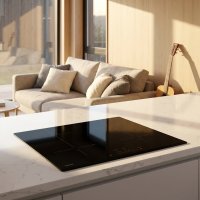
In the bustling heart of every home – the kitchen – choosing the right cooking appliance can feel like a culinary crossroads. Do you lean towards the traditional, fiery embrace of a gas hob, or are you drawn to the sleek, modern efficiency of an induction cooktop? For many home cooks, this decision presents a classic dilemma, forcing a compromise between cherished cooking methods and innovative technology. But what if you didn’t have to choose? What if you could have the best of both worlds, seamlessly integrated into one powerful, versatile appliance? Enter the induction and gas hob combined – a revolutionary solution designed to elevate your cooking experience and empower you with unparalleled flexibility in the kitchen.
Understanding the Power Duo: What is a Combined Induction and Gas Hob?
At its core, an induction and gas hob combined, often referred to as a hybrid hob or dual fuel cooktop, is exactly what it sounds like: a single appliance that masterfully blends the distinct benefits of both induction and gas cooking technologies. Typically, these innovative units feature a smooth, glass-ceramic surface with several induction zones alongside one or more traditional gas burners. This clever integration allows you to harness the unique strengths of each method, switching between them as effortlessly as your recipe demands.
Induction zones work by creating an electromagnetic field that directly heats the magnetic cookware placed upon it. This means rapid heat-up times, incredibly precise temperature control, and superior energy efficiency, as minimal heat escapes into the kitchen. Gas burners, on the other hand, provide instant, visible flames, offering a tactile cooking experience and direct heat that many chefs swear by for specific techniques. By bringing these two powerhouses together, a combined induction and gas hob transforms your kitchen into a truly adaptable culinary workspace.
Why Choose a Hybrid? The Undeniable Benefits of a Combined Hob
The beauty of an induction and gas hob combined lies in its ability to cater to every cooking whim and practical necessity. It’s not just about having two options; it’s about unlocking a new level of culinary freedom.
Unmatched Culinary Versatility: Cooking Without Limits
Imagine searing a steak to perfection on a high-powered gas flame, achieving that coveted crust and smoky flavour, while simultaneously simmering a delicate sauce on an induction zone with precise, consistent heat. This is the everyday reality with a combined induction and gas hob. Gas burners are indispensable for traditional cooking methods like stir-frying, wok cooking, and charring vegetables, offering the intense, direct heat and the famed “wok hei” that many professional and home cooks adore. They also provide the instant visual feedback of a flame, allowing for quick adjustments. Meanwhile, the induction zones excel at tasks requiring exact temperatures, such as melting chocolate, maintaining a gentle simmer, or rapidly boiling water thanks to their exceptional efficiency and speed. This versatility ensures that no recipe is beyond your reach, making your kitchen a hub for diverse culinary explorations.
Energy Efficiency Meets Power: Smart Cooking for a Sustainable Home
|
Our Picks for the Best Induction Hob in 2026
As an Amazon Associate I earn from qualifying purchases.
|
||
| Num | Product | Action |
|---|---|---|
| 1 | Portable Induction Cooktop 20 Temperature & Power Levels,1800W Single Burner Electric Cooktop with 6.8 inch Heating Coil,Low Noise Hot Plate with Timer |

|
| 2 | Mueller RapidTherm Portable Induction Cooktop Hot Plate Countertop Burner 1800W, 8 Temp Levels, Timer, Auto-Shut-Off, Touch Panel, LED Display, Auto Pot Detection, Child Safety Lock, 4 Preset Programs |
|
| 3 | Nuwave Flex Precision Induction Cooktop, 10.25” Shatter-Proof Ceramic Glass, 6.5” Heating Coil, 45 Temps from 100°F to 500°F, 3 Wattage Settings 600, 900 & 1300 Watts, Black |
|
| 4 | Duxtop Portable Induction Cooktop Burner, Induction Hot Plate with LCD Sensor Touch 1800 Watts, Silver 9600LS/BT-200DZ |
|
| 5 | ChangBERT Induction Cooktop, Commercial Grade Portable Cooker, Large 8” Heating Coil, Premium Stainless Steel Countertop Burner with NSF Certified, 10 Hours Timer Powerful 1800W Professional Hot Plate |
|
| 6 | Duxtop 1800W Portable Induction Cooktop Countertop Burner, Gold 8100MC/BT-180G3 |
|
| 7 | LỖI |
|
| 8 | AMZCHEF Portable Induction Cooktop 20 Temperature & Power Levels, 1800W Induction Stove Burner with 6.8\" Heating Coil, Low Noise Hot Plate Single Electric Cooktops Countertop Stove with Timer |
|
| 9 | AMZCHEF Portable-Induction-Cooktop: 74 Temperature Levels Induction Burner with Digital Probe, 1800W Countertop Burner with 20 Power Levels, 6.5\" Heating Coil, Low Noise Electric Cooktops with Timer |
|
| 10 | Duxtop Professional Portable Induction Cooktop, Commercial Range Countertop Burner, 1800 Watts Induction Burner with Sensor Touch and LCD Screen, P961LS/BT-C35-D, Silver/Black |
|
One of the significant advantages of opting for a combined induction and gas hob is the potential for optimized energy usage. Induction cooking is renowned for its energy efficiency, transferring heat directly to the pan with minimal waste. This means your electricity bill could see a reduction for everyday cooking tasks where induction shines. However, there are times when the raw power and responsiveness of gas are simply unmatched, particularly for high-heat cooking. With a hybrid model, you can strategically choose the most energy-efficient or powerful method for each cooking task, ensuring you’re always getting the best performance without compromising on your energy footprint or culinary results. This smart balance contributes to both cost savings and a more sustainable kitchen environment.
Never Be Without a Cooktop: Reliability During Power Outages
For many, the thought of a power outage brings immediate panic to the kitchen. With an all-electric induction hob, a loss of electricity means a halt to all cooking. This is where the reliability of a combined induction and gas hob truly shines. In the event of an electrical failure, your gas burners will still function, allowing you to continue preparing meals without interruption. This dual-fuel capability provides an invaluable sense of security and peace of mind, ensuring that you can always feed your family, no matter what external circumstances may arise. It’s a practical feature that elevates the utility of your appliance beyond simple cooking.
Cookware Freedom: Your Pots and Pans, Your Way
A common hurdle for those considering induction is the need for magnetic cookware. While induction offers fantastic benefits, it can be a costly transition if your current collection of pots and pans isn’t induction-compatible. A combined induction and gas hob ingeniously sidesteps this issue. You can continue to use all your favorite non-magnetic cookware – glass, copper, ceramic, or aluminum – on the gas burners, while reserving your magnetic pots and pans for the high-efficiency induction zones. This eliminates the need for a complete cookware overhaul, making the upgrade more accessible and budget-friendly. It’s about adapting your hob to your kitchen, not the other way around.
Sleek Design, Smart Safety: Modern Aesthetics and Peace of Mind
Modern combined hobs are designed to be as aesthetically pleasing as they are functional. The smooth, flat surface of the induction zones, typically integrated with the gas burners, offers a sleek, minimalist look that complements contemporary kitchen designs. Beyond aesthetics, safety is a paramount concern for both manufacturers and users. Combined induction and gas hobs often come equipped with advanced safety features. Induction zones remain cool to the touch, significantly reducing the risk of accidental burns, and often include child lock functions and automatic shut-off features if a pan boils over or is left unattended. Gas burners, too, benefit from modern safety innovations like Flame Failure Devices (FFD) that automatically cut off the gas supply if the flame extinguishes, preventing gas leaks. This blend of elegant design and robust safety protocols ensures a secure and stylish cooking environment.
Optimized Kitchen Space: A Harmonious Integration
In today’s kitchens, where space is often at a premium, a combined induction and gas hob offers a brilliant solution for space optimization. Instead of installing two separate appliances – a gas cooktop and an induction cooktop – you get all the functionality within a single, built-in unit. This seamless integration not only saves valuable countertop real estate but also contributes to a cleaner, more streamlined kitchen aesthetic. It’s about maximizing your cooking capabilities without cluttering your precious kitchen space.
Navigating the Nuances: What to Consider Before You Buy
While the benefits are compelling, it’s wise to consider a few practical aspects before investing in a combined induction and gas hob.
The Initial Investment: Understanding the Cost
Generally, combined induction and gas hobs tend to have a higher upfront cost compared to standalone gas or basic induction models. This is due to the integration of two distinct advanced technologies. However, view this as an investment in versatility and long-term value, as the energy efficiency of induction and the longevity of gas can offer savings over time.
Installation Requirements: Gas Lines and Ventilation
Because you’re dealing with both gas and electricity, proper installation is crucial. You’ll need an existing gas line connection or the ability to install one, along with appropriate ventilation to handle the combustion by-products from the gas burners. Professional installation is highly recommended to ensure safety and compliance with local regulations.
Cleaning and Maintenance: A Bit of Both Worlds
Cleaning an induction surface is a breeze – spills don’t burn on, and a quick wipe is often all that’s needed. However, the gas burners, with their grates and caps, will require more traditional cleaning efforts, similar to a standard gas hob. It’s a mix of easy maintenance and occasional deeper cleaning, balancing the best of both worlds in upkeep.
A Slight Learning Curve: Mastering Both Methods
If you’re new to either induction or gas cooking, there might be a slight learning curve. Mastering the nuances of precise temperature control on induction and the visual cues of a gas flame takes a little practice. However, with time, you’ll intuitively know which method is best suited for each dish, making you a more versatile and confident cook.
“Combining induction and gas offers the ultimate flexibility. For precise simmering and quick boils, induction is unbeatable, while the direct flame of gas is perfect for searing and stir-frying. It’s truly a chef’s dream for any kitchen.” – Eleanor Vance, Senior Kitchen Appliance Specialist at Gooau.com
Frequently Asked Questions (FAQ)
Are induction and gas hobs combined more expensive than single hobs?
Yes, typically, a combined induction and gas hob has a higher initial purchase price due to the advanced integration of two distinct cooking technologies within a single unit. However, the long-term benefits in versatility and energy efficiency can offset this cost.
Do I need special pots and pans for a hybrid hob?
You will need magnetic cookware for the induction zones. However, the gas burners on the hybrid hob allow you to use all types of non-magnetic cookware you already own, offering complete cookware freedom.
What are the safety features of a combined hob?
Hybrid hobs incorporate safety features from both technologies, such as Flame Failure Devices (FFD) for gas burners and residual heat indicators, child locks, and automatic shut-off functions for induction zones.
Can I use a hybrid hob during a power cut?
Yes, this is one of the key advantages. While the induction zones require electricity to operate, the gas burners will typically function independently during a power outage, ensuring you can still cook.
Is a combined hob difficult to clean?
Cleaning involves aspects of both hob types. The induction surface is very easy to wipe clean, as spills don’t burn on. The gas burners, however, will require traditional cleaning methods, including removing and washing grates and burner caps.
Conclusion
The induction and gas hob combined represents the pinnacle of modern kitchen innovation, perfectly bridging the gap between traditional cooking sensibilities and cutting-edge technology. It eliminates the need to compromise, offering unparalleled versatility, energy efficiency, and reliability for every home chef. By embracing this hybrid solution, you gain the freedom to explore every culinary technique, utilize all your favorite cookware, and cook with confidence, knowing you have the best of both worlds at your fingertips. If you’re looking to upgrade your kitchen with an appliance that truly adapts to your lifestyle and elevates your cooking prowess, an induction and gas hob combined is an exceptional choice. It’s more than just a hob; it’s a foundation for endless culinary possibilities.
Cooking gear we tested in our own kitchens
Free PDF — preheat times measured on 10 popular air fryers.