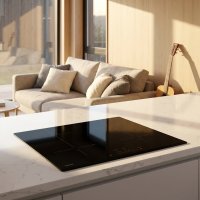
Embarking on the open road in your campervan offers unparalleled freedom, and for many, that freedom extends to the joy of cooking delicious meals wherever you roam. While gas stoves have been the traditional choice for decades, a new wave of vanlifers is embracing the sleek, efficient, and modern campervan induction hob. As a seasoned expert with over 15 years in the field and a content creator for gooau.com, I’ve seen firsthand how this technology is transforming mobile kitchens. The shift from a roaring flame to silent, precise induction cooking isn’t just a trend; it’s a game-changer for safety, efficiency, and overall vanlife experience.

The Science Behind Induction Cooking in Your Camper
At its heart, a campervan induction hob is a marvel of modern engineering, utilizing electromagnetism to cook your food. Unlike traditional electric or gas hobs that heat a surface, induction hobs generate an electromagnetic field that directly heats the cookware itself. Below the sleek glass-ceramic surface, a copper coil produces an alternating current, creating this field. When a compatible pan is placed on top, the field induces an electrical current within the pan’s base, generating heat through resistance.
This direct heating method is incredibly efficient, with about 85-90% of the energy being transferred straight into your food, compared to a mere 40-55% for gas. This means less wasted energy, faster cooking times, and a cooler kitchen – a significant advantage in a compact campervan. However, this technology does require specific cookware. Your pots and pans need to be ferrous (iron-based), such as cast iron or magnetic stainless steel. Aluminum and copper won’t work unless they feature a specialized induction-compatible base. With induction becoming increasingly popular, finding suitable cookware at any major homeware store is usually straightforward.
Campervan induction hobs come in various forms, from compact, single-burner portable units that can be stowed away, to more integrated double-burner models that offer a dedicated cooking space. The choice often depends on your cooking habits and the available space in your van.
Why Go Electric? The Unbeatable Advantages of an Induction Hob for Your Campervan
The allure of a campervan induction hob extends far beyond its modern aesthetic. For vanlife enthusiasts, the benefits are substantial and address many common challenges of living on the road.
Safety First: No Open Flames, No Fumes
Perhaps the most compelling advantage is safety. With a campervan induction hob, there’s no open flame, significantly reducing the risk of accidental fires. This eliminates the need to worry about gas leaks or the silent danger of carbon monoxide fumes – a constant concern with gas stoves in confined spaces. Furthermore, gas combustion produces moisture, which can lead to condensation issues inside your van, especially during colder months. Induction cooking eradicates this problem, helping to maintain a drier, healthier interior environment.
Speed, Precision, and Cleanliness
|
Our Picks for the Best Induction Hob in 2026
As an Amazon Associate I earn from qualifying purchases.
|
||
| Num | Product | Action |
|---|---|---|
| 1 | ChangBERT Induction Cooktop, Commercial Grade Portable Cooker, Large 8” Heating Coil, Premium Stainless Steel Countertop Burner with NSF Certified, 10 Hours Timer Powerful 1800W Professional Hot Plate |

|
| 2 | Mueller RapidTherm Portable Induction Cooktop Hot Plate Countertop Burner 1800W, 8 Temp Levels, Timer, Auto-Shut-Off, Touch Panel, LED Display, Auto Pot Detection, Child Safety Lock, 4 Preset Programs |
|
| 3 | Duxtop Portable Induction Cooktop Burner, Induction Hot Plate with LCD Sensor Touch 1800 Watts, Silver 9600LS/BT-200DZ |
|
| 4 | AMZCHEF Portable-Induction-Cooktop: 74 Temperature Levels Induction Burner with Digital Probe, 1800W Countertop Burner with 20 Power Levels, 6.5\" Heating Coil, Low Noise Electric Cooktops with Timer |
|
| 5 | Portable Induction Cooktop 20 Temperature & Power Levels,1800W Single Burner Electric Cooktop with 6.8 inch Heating Coil,Low Noise Hot Plate with Timer |
|
| 6 | Duxtop Professional Portable Induction Cooktop, Commercial Range Countertop Burner, 1800 Watts Induction Burner with Sensor Touch and LCD Screen, P961LS/BT-C35-D, Silver/Black |
|
| 7 | Duxtop 1800W Portable Induction Cooktop Countertop Burner, Gold 8100MC/BT-180G3 |
|
| 8 | Nuwave Flex Precision Induction Cooktop, 10.25” Shatter-Proof Ceramic Glass, 6.5” Heating Coil, 45 Temps from 100°F to 500°F, 3 Wattage Settings 600, 900 & 1300 Watts, Black |
|
| 9 | LỖI |
|
| 10 | AMZCHEF Portable Induction Cooktop 20 Temperature & Power Levels, 1800W Induction Stove Burner with 6.8\" Heating Coil, Low Noise Hot Plate Single Electric Cooktops Countertop Stove with Timer |
|
Induction hobs heat up remarkably fast, bringing water to a boil in a fraction of the time a gas or traditional electric hob would take. This speed is invaluable when you’re hungry after a long day of adventuring. Beyond speed, induction offers unparalleled precision. You get instant control over temperature adjustments, allowing you to fine-tune your cooking with ease. Boiling over becomes less of a worry, and the hob can even sense if a suitable pan is present or if it’s about to boil dry, preventing overheating.
Cleaning an induction hob is also a breeze. The flat, heat-proof glass surface means spills don’t bake on, making it incredibly easy to wipe down. Say goodbye to scrubbing greasy grates and stubborn food residue!
Space-Saving and Environmentally Friendly
Opting for an induction hob can free up valuable storage space by eliminating the need for bulky propane tanks. This also means less weight in your vehicle and no more hunting for specific gas bottle connectors when traveling internationally or running low in remote areas. From an environmental perspective, if your campervan’s electrical system is primarily charged by solar panels or other renewable sources, your cooking becomes truly green, aligning perfectly with a sustainable vanlife ethos.
The Reality Check: Disadvantages and Challenges of Campervan Induction Hobs
While the benefits are clear, adopting a campervan induction hob isn’t without its considerations. It requires a thoughtful approach to your vehicle’s power system.
The Power Predicament: Understanding Energy Consumption
The biggest hurdle for many vanlifers is the significant power draw of induction hobs. A single burner can consume between 1500W and 2500W at maximum settings. This makes them impractical for budget builds with small leisure batteries unless you’re always hooked up to shore power. For true off-grid autonomy, this high consumption means you’ll need a robust and well-designed electrical system. Cooking just one meal or boiling a kettle can rapidly deplete a smaller battery bank, drastically reducing your off-grid time. As Dr. Elara Vance, our lead electrical engineer at Gooau, often advises, “Underestimating your power budget is the quickest way to dim your culinary dreams on the road. Always overspec your inverter and battery if you plan on serious induction cooking.”
System Upgrades and Costs
The decision to go induction often comes with a higher upfront cost, primarily due to the necessary upgrades to your 12V electrical system. To run an induction hob effectively, you’ll need:
- High-Capacity Lithium Batteries: Lithium Iron Phosphate (LiFePO4) batteries are essential due to their higher usable capacity and ability to deliver high currents consistently. A minimum of 200Ah is recommended, with 300Ah-500Ah being ideal for extended off-grid use.
- Powerful Pure Sine Wave Inverter: This converts your battery’s 12V DC power to the 230V AC (or 120V AC in some regions) required by the hob. A 2000W continuous pure sine wave inverter is the absolute minimum, with 3000W recommended to handle peak draws and allow for simultaneous use of other appliances without tripping breakers.
- Adequate Charging Infrastructure: To replenish your battery bank, you’ll need substantial solar panels (400W-600W is a good starting point for regular use), a high-amperage DC-DC charger (40A or higher) to charge while driving, and a reliable shore power charger for campsite hookups.
Cookware Compatibility and Other Quirks
As mentioned, only ferrous cookware will work. This means you might need to invest in a new set of pots and pans if your existing collection isn’t induction-compatible. Some induction hob models also feature automatic power adjustments, which can require a slightly modified cooking style compared to gas. Furthermore, while most modern induction hobs are durable, some vanlifers express concern about the impact of constant vibrations on standard residential units. While purpose-built RV induction hobs exist, many successfully use standard portable units, often mitigating vibration by securing them properly or using them on a stable surface. Always check the manufacturer’s guidelines, though reputable brands tend to be quite robust.
Setting Up for Success: Your Campervan Induction Hob Electrical System
Getting your electrical system right is paramount for a seamless campervan induction hob experience. It’s the backbone of your all-electric kitchen.
Essential Components for a Reliable Setup
To reiterate, a robust system involves:
- Battery Bank: Invest in LiFePO4 batteries. They offer superior cycle life, deeper discharge capabilities, and a consistent voltage output, which is crucial for high-draw appliances.
- Inverter: A pure sine wave inverter is critical for sensitive electronics and ensures your induction hob operates efficiently without damage. Always choose an inverter with a continuous wattage rating that comfortably exceeds your hob’s maximum draw, plus any other appliances you might run concurrently.
- Charging: A multi-faceted charging system is best. Solar panels harness the sun’s energy, a DC-DC charger keeps your batteries topped up while driving, and a shore power charger provides a full top-up when you’re at a campsite or connected to mains electricity.
Sizing Your System: A Practical Guide
Understanding your power budget is key. Consider a scenario: a 200Ah lithium battery, 200W of solar, and a 30A DC-DC charger. While this might sustain basic appliances off-grid for days, adding an induction hob could reduce your autonomy to just two days or less, as its high power draw rapidly depletes the battery. For extended off-grid living, especially during winter months when solar gain is lower, you’ll need a significantly larger battery bank and charging capacity. Many full-time off-gridders opt for 400Ah-600Ah battery banks with 600W+ of solar and powerful DC-DC chargers.
Installation Tips from an Expert
Proper installation is non-negotiable. Ensure all wiring is appropriately sized for the high current draw, using heavy-gauge cables to minimize voltage drop and heat. Install suitable circuit breakers for safety, both on the DC side (between batteries and inverter) and the AC side (between inverter and hob). For portable units, consider a dedicated socket with a strong connection. If integrating a built-in hob, ensure adequate ventilation around the unit as specified by the manufacturer. While many induction hobs can simply plug into an AC outlet via an inverter, some higher-powered models might require direct hardwiring – always consult the user manual.
Maximizing Your Campervan Induction Hob Experience
Once your system is in place, a few smart habits can help you get the most out of your campervan induction hob and prolong your battery life.
Smart Cooking Habits for Energy Efficiency
- Use Correct Pan Size: Always match the pan size to the burner. A smaller pan on a larger burner wastes energy, while a pan that’s too large won’t heat evenly.
- Utilize Lids: Lids trap heat and moisture, significantly reducing cooking times and energy consumption. It’s a simple trick that makes a big difference.
- Cook at Lower Settings: You don’t always need max power. Simmering, for example, can often be achieved at half power or less, saving considerable energy.
- Pre-Prepare Ingredients: Having all your ingredients ready before you start cooking minimizes the time the hob needs to be on.
Maintenance for Longevity
Maintaining your campervan induction hob is straightforward. The glass surface is easy to wipe clean with a damp cloth and a mild detergent. Avoid abrasive cleaners or scouring pads that can scratch the surface. To protect against vibrations and accidental impacts, especially if you have a portable unit, ensure it’s stored securely when not in use. If it’s a fixed installation, periodically check that all mounting points are secure. While induction hobs are generally robust, a dropped heavy item can shatter the glass, so take care with overhead storage.
Frequently Asked Questions (FAQ)
Q1: Can I use any pots and pans with a campervan induction hob?
No, induction hobs require cookware made from ferrous (magnetic) materials like cast iron or magnetic stainless steel. You can test your existing pans with a magnet; if it sticks firmly to the bottom, it’s compatible.
Q2: How much battery power do I really need for an induction hob?
For casual use with shore power, a smaller battery might suffice. For off-grid cooking, a minimum of a 200Ah lithium battery is recommended, with 300Ah-500Ah being ideal for regular, prolonged use, coupled with sufficient charging sources.
Q3: Are induction hobs safe to use in a small campervan?
Yes, induction hobs are generally considered safer than gas stoves in a campervan as they produce no open flame, gas fumes, or carbon monoxide, and the hob surface itself doesn’t retain residual heat for long.
Q4: Is it expensive to switch from gas to induction in a campervan?
The initial setup cost for a campervan induction hob can be higher due to the need for a robust electrical system (high-capacity batteries, powerful inverter, comprehensive charging), but operating costs might be lower if you generate your own electricity via solar.
Q5: Can I run an induction hob off-grid indefinitely?
Achieving indefinite off-grid use with an induction hob requires a very large and sophisticated electrical system with substantial battery capacity and ample solar input to offset its high power consumption, especially in regions with less sunlight.
Q6: What size inverter is best for a campervan induction hob?
A pure sine wave inverter with a continuous wattage rating of at least 2000W is the minimum for a single-burner induction hob, but a 3000W inverter is highly recommended for optimal performance and flexibility.
Q7: What are the main advantages of induction over gas for campervans?
Key advantages include enhanced safety (no open flame or fumes), greater energy efficiency (85-90% direct heat transfer), faster cooking times, precise temperature control, and easier cleaning.
The Future of Campervan Cooking is Electric
The campervan induction hob represents a significant leap forward in mobile kitchen technology. While it demands a well-thought-out electrical system, the benefits in terms of safety, efficiency, and cleanliness make it an increasingly popular and practical choice for modern vanlife. With the right setup and smart cooking habits, you can enjoy gourmet meals on the go, confident in a reliable, high-performing kitchen. Embrace the quiet hum of induction, and transform your campervan culinary adventures. For more expert insights and practical guides on optimizing your vanlife systems, keep an eye on gooau.com – your trusted resource for all things campervan.
Cooking gear we tested in our own kitchens
Free PDF — preheat times measured on 10 popular air fryers.