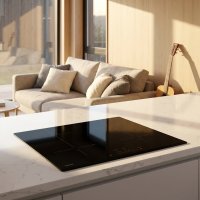
Choosing the right hob is a pivotal decision for any kitchen, impacting everything from your daily cooking routine to your home’s energy efficiency. For decades, gas hobs have been the cornerstone of countless kitchens, beloved for their robust flame and intuitive control. But in recent years, a sleek, modern contender has emerged: the induction hob, promising unparalleled speed, safety, and precision. As your trusted culinary engineer at Gooau.com, I’m here to demystify this debate, guiding you through the intricate differences between gas and induction to help you make the best choice for your culinary sanctuary.
Understanding the Core Technologies
Before we dive into the comparison, let’s briefly grasp how each technology operates. Understanding their fundamental mechanics is key to appreciating their distinct advantages and drawbacks. For expert induction hobs reviews on this site.
What is a Gas Hob?
A gas hob utilizes an open flame, generated from natural gas or LPG, to directly heat your pots and pans. When you turn a knob, gas flows to the burner, ignites, and produces a visible flame. This direct flame contact has long been a favorite among home cooks and professional chefs alike, offering a familiar, traditional cooking experience. The heat is transferred from the flame to the cookware and, inevitably, to the surrounding air.
What is an Induction Hob?
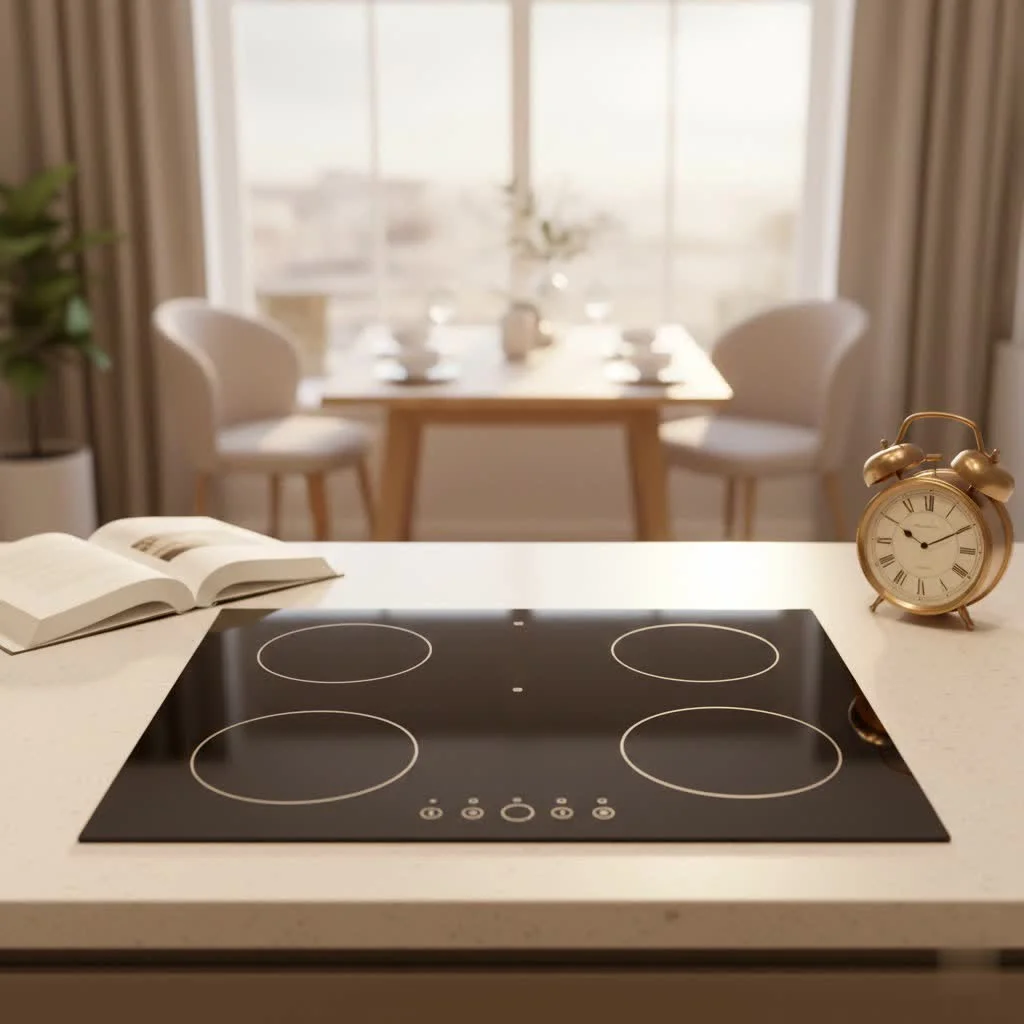
An induction hob represents a leap in cooking technology. Instead of a flame, it uses electromagnetic fields to generate heat directly within the base of your compatible cookware. Beneath a smooth, ceramic glass surface, electromagnetic coils create a magnetic field that excites the metal molecules in an induction-ready pan, making the pan itself the heat source. The hob surface remains relatively cool to the touch, and heat is precisely channeled where it’s needed most.
Performance Showdown: Speed, Control, and Cooking Experience
When it comes to the actual act of cooking, gas and induction hobs offer vastly different experiences. Let’s pit them against each other in a performance battle.
Speed: A Race to Boil
Have you ever impatiently waited for a pot of water to boil on a gas stove? With induction, those days are largely over. Induction hobs are significantly faster at heating food and boiling water because they directly heat the cookware, virtually eliminating wasted energy. In laboratory tests, an average induction hob can boil a large pan of water in about 4.57 minutes, while a gas hob typically takes around 12.43 minutes for the same task. This rapid heating translates into quicker meal prep and more efficient use of your time in the kitchen.
Precision and Control: The Chef’s Edge
|
Our Picks for the Best Induction Hob in 2026
As an Amazon Associate I earn from qualifying purchases.
|
||
| Num | Product | Action |
|---|---|---|
| 1 | Portable Induction Cooktop 20 Temperature & Power Levels,1800W Single Burner Electric Cooktop with 6.8 inch Heating Coil,Low Noise Hot Plate with Timer |

|
| 2 | Duxtop 1800W Portable Induction Cooktop Countertop Burner, Gold 8100MC/BT-180G3 |
|
| 3 | LỖI |
|
| 4 | AMZCHEF Portable-Induction-Cooktop: 74 Temperature Levels Induction Burner with Digital Probe, 1800W Countertop Burner with 20 Power Levels, 6.5\" Heating Coil, Low Noise Electric Cooktops with Timer |
|
| 5 | AMZCHEF Portable Induction Cooktop 20 Temperature & Power Levels, 1800W Induction Stove Burner with 6.8\" Heating Coil, Low Noise Hot Plate Single Electric Cooktops Countertop Stove with Timer |
|
| 6 | ChangBERT Induction Cooktop, Commercial Grade Portable Cooker, Large 8” Heating Coil, Premium Stainless Steel Countertop Burner with NSF Certified, 10 Hours Timer Powerful 1800W Professional Hot Plate |
|
| 7 | Duxtop Professional Portable Induction Cooktop, Commercial Range Countertop Burner, 1800 Watts Induction Burner with Sensor Touch and LCD Screen, P961LS/BT-C35-D, Silver/Black |
|
| 8 | Nuwave Flex Precision Induction Cooktop, 10.25” Shatter-Proof Ceramic Glass, 6.5” Heating Coil, 45 Temps from 100°F to 500°F, 3 Wattage Settings 600, 900 & 1300 Watts, Black |
|
| 9 | Mueller RapidTherm Portable Induction Cooktop Hot Plate Countertop Burner 1800W, 8 Temp Levels, Timer, Auto-Shut-Off, Touch Panel, LED Display, Auto Pot Detection, Child Safety Lock, 4 Preset Programs |
|
| 10 | Duxtop Portable Induction Cooktop Burner, Induction Hot Plate with LCD Sensor Touch 1800 Watts, Silver 9600LS/BT-200DZ |
|
Many cooks swear by the visual feedback of a gas flame, believing it offers superior control. You turn the knob, and you see the flame adjust instantly, allowing for real-time changes in cooking temperatures. This immediate visual cue is undeniably intuitive for some.
However, induction hobs offer a different kind of precision – a digital accuracy that can be even more refined. With touch controls and specific temperature settings, you can often set an exact power level, ensuring consistent results every time. This consistent and even heat distribution allows for perfect simmering, searing, and delicate sauces, making induction a dream for responsive cooking. As Dr. Anya Sharma, Gooau’s lead culinary engineer, often says, “While the flame provides visual comfort, induction delivers a level of digital precision that can truly elevate your culinary craft, ensuring your béchamel never breaks again.”
Cooking Versatility: Pot & Pan Playbook
One of the most significant differences lies in cookware compatibility. Gas hobs are incredibly versatile; they can accommodate almost any type of pot or pan you own, from cast iron to aluminum, glass, and stainless steel. This means you likely won’t need to invest in new cookware when switching to gas.
Induction hobs, on the other hand, require specific cookware that has a magnetic base (ferrous material). If a magnet sticks to the bottom of your pot, it’s induction-ready. While many modern cookware sets are designed for induction, you might find yourself needing to replace some of your beloved non-magnetic pans, which can be an additional upfront cost.
Safety and Maintenance: Peace of Mind in the Kitchen
Beyond cooking performance, safety and ease of cleaning are major considerations for any homeowner.
Kitchen Safety: Flame vs. No Flame
When it comes to safety, induction hobs generally take the lead. The absence of an open flame drastically reduces the risk of kitchen fires and accidental burns. Since the heat is generated directly in the pan, the hob surface itself remains relatively cool to the touch, minimizing the danger, especially for households with young children or pets. Induction hobs often come equipped with advanced safety features like automatic shut-off when cookware is removed and child safety locks, providing an extra layer of protection. Gas hobs, while safer than ever with modern features to prevent gas leaks, inherently carry the risks associated with an open flame and the combustion of fossil fuels. They also release combustion by-products into your kitchen air.
Cleaning Convenience: A Wipe or a Scrub?
This is where induction hobs truly shine for many. Their smooth, flat ceramic glass surface is incredibly easy to clean. Spills and splatters don’t bake onto the surface because it doesn’t get intensely hot, making cleanup as simple as a quick wipe with a cloth. In contrast, gas hobs, with their raised burners, grates, and numerous nooks and crannies, can be a chore to clean. Food residue and grease can accumulate in hard-to-reach spots, often requiring dismantling parts for a thorough scrub.
Running Costs and Environmental Footprint
The decision between gas and induction also has implications for your wallet and the planet.
Energy Efficiency: Getting the Most from Your Power
Induction hobs are remarkably energy-efficient, boasting an efficiency rate of up to 90%. This means almost all the energy generated is transferred directly to your cookware, with very little heat wasted into the surrounding air. Gas hobs, by comparison, are considerably less efficient, typically operating at around 40-55% efficiency. A significant amount of heat escapes around the sides of the pan and into the kitchen environment, requiring more energy to achieve the desired cooking temperature. This stark difference in efficiency means induction cooking not only saves energy but can also cut cooking time by 20% to 30% compared to gas stoves.
The Price Tag: Initial Investment vs. Long-Term Expenses
Generally, gas hobs tend to be cheaper to purchase and install than their induction counterparts. The initial investment for an induction hob can be higher, and you might also need to factor in the cost of compatible cookware if your existing set isn’t induction-ready.
Regarding running costs, natural gas has historically been cheaper than electricity in many regions. However, with rising energy prices and the superior efficiency of induction hobs, the long-term running costs can become more comparable. The reduced cooking times and minimal energy waste of induction can offset the higher electricity price per unit, potentially leading to lower overall energy consumption over the appliance’s lifetime.
Eco-Conscious Choices: Impact on the Planet
For those prioritizing environmental sustainability, the choice leans heavily towards induction. Gas hobs are powered by natural gas, a fossil fuel that produces greenhouse gas emissions and contributes to global warming. In fact, many governments, including the UK, are committed to phasing out the installation of gas cookers and hobs in new-build homes by 2025 as part of their Net Zero targets. Induction hobs, being electric, can be powered by renewable energy sources, offering a significantly lower carbon footprint if your electricity provider uses clean energy. “Thinking about the future of our planet means making conscious choices in our homes,” notes Dr. Sharma. “An induction hob aligns with a greener lifestyle, especially as renewable energy grids expand.”
Making Your Choice: What Truly Matters?
Ultimately, the best hob for you boils down to your personal priorities, cooking style, and budget.
- If you value speed, safety, easy cleaning, precise digital control, and a lower environmental impact, and are willing to invest in new cookware, an induction hob is likely your ideal choice. It brings a modern, efficient, and secure cooking experience to your kitchen.
- If you prefer a traditional cooking experience with a visible flame, already have a full set of non-magnetic cookware, and prefer lower upfront costs, a gas hob might still be the way to go. Its universal pan compatibility and intuitive flame control remain appealing to many.
Consider your daily cooking habits: Do you often stir-fry with a wok that needs intense, immediate heat? Gas might feel more natural. Do you frequently simmer delicate sauces or need to boil water rapidly for pasta? Induction excels here. Also, think about the future: with the ongoing shift towards electrification and renewable energy, induction technology is only becoming more integrated and refined.
Expert Insights from Gooau’s Culinary Engineer
“The kitchen is the heart of the home, and your hob is its pulse,” says Dr. Anya Sharma, Gooau.com’s esteemed Culinary Engineer. “While the romance of a gas flame has its undeniable charm, the practical advantages of induction—its incredible efficiency, unparalleled safety, and pinpoint precision—make it a compelling choice for the modern household. It’s not just about cooking; it’s about creating a safer, smarter, and more sustainable kitchen environment. Ultimately, your choice should empower your cooking journey and bring joy to your culinary creations.”
Conclusion
The debate between gas and induction hobs isn’t about one being universally “better” than the other; it’s about identifying which aligns best with your individual needs and lifestyle. From the lightning-fast boil and effortless cleanup of induction to the familiar flame control and cookware versatility of gas, both technologies offer unique benefits. As you consider upgrading or designing your kitchen, weigh these factors carefully. At Gooau.com, we are committed to providing you with the expert knowledge to make informed decisions, ensuring your kitchen becomes a hub of efficiency, safety, and culinary delight. Whichever path you choose, may your cooking always be inspired!
Cooking gear we tested in our own kitchens
Free PDF — preheat times measured on 10 popular air fryers.