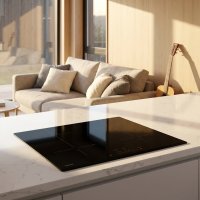
Welcome to Gooau.com, where we believe every home chef deserves to cook with confidence and clarity! As your seasoned guide with over 15 years in the kitchen appliance world, particularly with induction hob cookers, I’ve seen these incredible pieces of technology transform the way we prepare meals. If you’re looking to understand, use, or troubleshoot your induction hob cooker, you’re in the right place. These sleek, powerful appliances are much more than just a pretty face; they’re a revolution in kitchen efficiency and safety, making cooking faster, cleaner, and more precise than ever before. Let’s dive deep into everything you need to know to truly master your induction hob cooker and bring a new level of culinary excellence to your home.
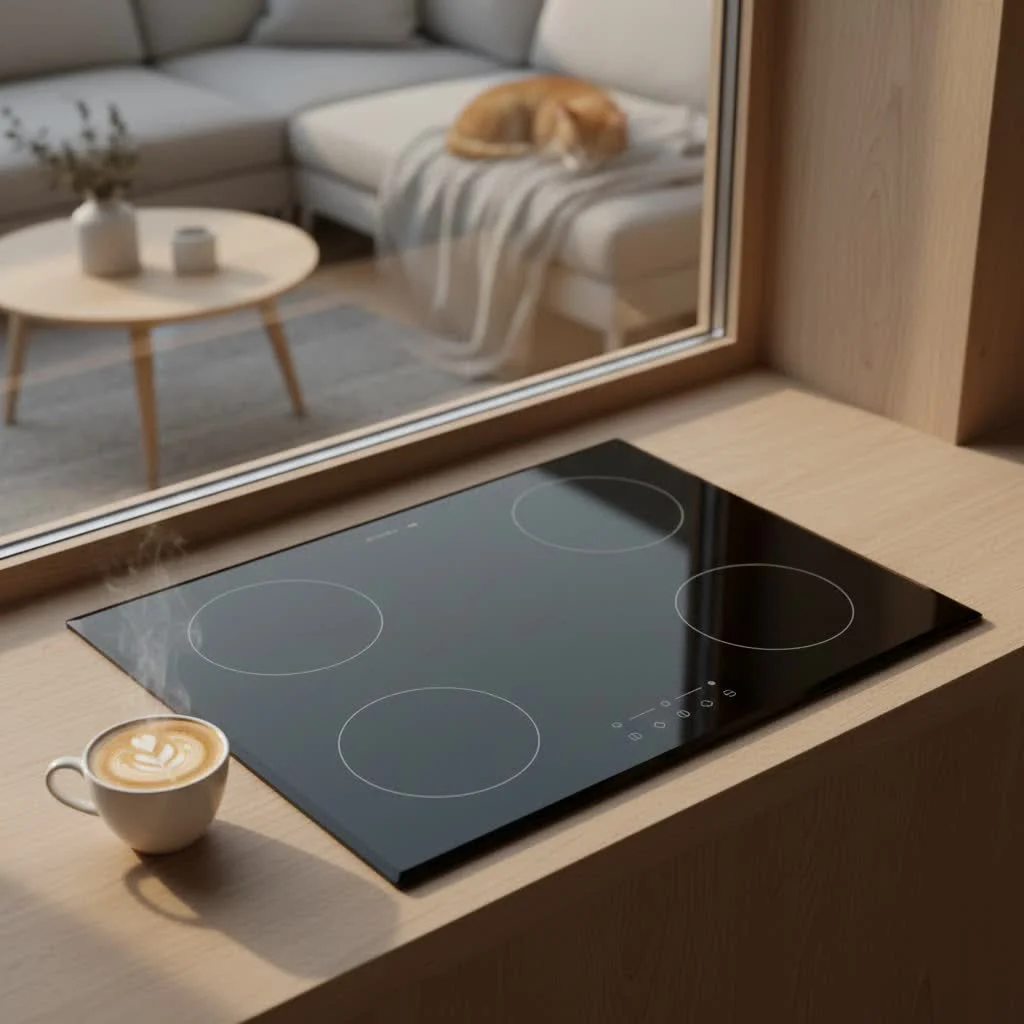
What Exactly is an Induction Hob Cooker and How Does It Work?
At its heart, an induction hob cooker is a marvel of modern engineering, utilizing a principle called electromagnetic induction to heat your food. Unlike traditional gas or electric cooktops that heat a surface, which then heats your pan, an induction hob cooker works magic directly with your cookware.
Beneath that smooth, cool-to-the-touch ceramic glass surface lies a series of copper coils. When you switch on an induction zone and place a suitable pot or pan on it, an alternating electric current flows through these coils. This creates a rapidly oscillating magnetic field. If your cookware is made of a magnetic (ferromagnetic) material – think cast iron or specific types of stainless steel – this magnetic field induces an electrical current, known as an eddy current, directly within the base of the pan. It’s like your pan suddenly becomes its own heating element! This internal resistance generates heat, cooking your food with remarkable speed and precision. The hob itself remains cool, or only slightly warm from residual heat transferred back from the hot pan. This direct heating mechanism is what makes an induction hob cooker so incredibly efficient and safe.
The Unbeatable Benefits of Induction Cooking
Once you experience cooking with an induction hob cooker, it’s hard to go back. The advantages are truly game-changing for any kitchen.
Rapid Heat and Precision Control
Ever wished water would boil faster? An induction hob cooker delivers! These cooktops can boil water in about a minute, making meal prep significantly quicker. But it’s not just about speed; it’s also about unparalleled control. Induction cookers respond almost instantly to temperature adjustments, much like gas but with even greater precision. Turn the heat up, and you get an immediate boost; dial it down, and the heat dissipates without delay. This means less chance of boil-overs or scorched food, giving you perfect results every time.
Energy Efficiency That Saves You Money
|
Our Picks for the Best Induction Hob in 2026
As an Amazon Associate I earn from qualifying purchases.
|
||
| Num | Product | Action |
|---|---|---|
| 1 | LỖI |

|
| 2 | Duxtop 1800W Portable Induction Cooktop Countertop Burner, Gold 8100MC/BT-180G3 |
|
| 3 | AMZCHEF Portable Induction Cooktop 20 Temperature & Power Levels, 1800W Induction Stove Burner with 6.8\" Heating Coil, Low Noise Hot Plate Single Electric Cooktops Countertop Stove with Timer |
|
| 4 | AMZCHEF Portable-Induction-Cooktop: 74 Temperature Levels Induction Burner with Digital Probe, 1800W Countertop Burner with 20 Power Levels, 6.5\" Heating Coil, Low Noise Electric Cooktops with Timer |
|
| 5 | Nuwave Flex Precision Induction Cooktop, 10.25” Shatter-Proof Ceramic Glass, 6.5” Heating Coil, 45 Temps from 100°F to 500°F, 3 Wattage Settings 600, 900 & 1300 Watts, Black |
|
| 6 | Duxtop Portable Induction Cooktop Burner, Induction Hot Plate with LCD Sensor Touch 1800 Watts, Silver 9600LS/BT-200DZ |
|
| 7 | ChangBERT Induction Cooktop, Commercial Grade Portable Cooker, Large 8” Heating Coil, Premium Stainless Steel Countertop Burner with NSF Certified, 10 Hours Timer Powerful 1800W Professional Hot Plate |
|
| 8 | Mueller RapidTherm Portable Induction Cooktop Hot Plate Countertop Burner 1800W, 8 Temp Levels, Timer, Auto-Shut-Off, Touch Panel, LED Display, Auto Pot Detection, Child Safety Lock, 4 Preset Programs |
|
| 9 | Duxtop Professional Portable Induction Cooktop, Commercial Range Countertop Burner, 1800 Watts Induction Burner with Sensor Touch and LCD Screen, P961LS/BT-C35-D, Silver/Black |
|
| 10 | Portable Induction Cooktop 20 Temperature & Power Levels,1800W Single Burner Electric Cooktop with 6.8 inch Heating Coil,Low Noise Hot Plate with Timer |
|
One of the most compelling reasons to choose an induction hob cooker is its incredible energy efficiency. Since the heat is generated directly within the cookware, there’s minimal energy wasted heating the surrounding air. Up to 90% of the energy produced goes straight into your food, compared to much lower percentages for gas or traditional electric cooktops. This translates to lower energy bills and a smaller carbon footprint, making your kitchen more sustainable.
Safety First: A Kitchen You Can Trust
For families, safety is paramount. An induction hob cooker is arguably the safest cooking method available. Because the hob surface only gets warm from the heat radiating back from the pan, rather than being heated directly, the risk of accidental burns is dramatically reduced. Many models feature automatic pan detection, meaning the heat won’t activate unless a suitable pot is present, and they’ll shut off if a pan is removed or if there’s a boil-over. Plus, features like child locks provide an extra layer of peace of mind.
Effortless Cleaning for a Spotless Kitchen
Spills are an inevitable part of cooking, but with an induction hob cooker, clean-up is a breeze. Since the surface remains relatively cool, food spills and splatters don’t burn onto the glass. A simple wipe with a damp cloth is usually all it takes to keep your hob looking pristine, saving you precious time and effort after a delicious meal.
Sleek Design and a Cooler Kitchen Environment
Aesthetically, the induction hob cooker offers a clean, minimalist look that complements any modern kitchen design. Its flat, smooth surface integrates seamlessly into countertops, creating a sophisticated feel. Beyond looks, the reduced heat loss into the ambient air means your kitchen stays noticeably cooler, especially during those long cooking sessions or hot summer days.
Navigating the World of Induction: What to Consider Before You Buy
Choosing the right induction hob cooker is a significant decision. Here’s what my 15 years of experience tells me you should keep in mind.
Initial Investment and Cookware Compatibility
Let’s be upfront: an induction hob cooker often comes with a higher initial price tag than traditional cooktops. Beyond the appliance itself, you’ll need to factor in the cost of compatible cookware. Induction hobs require pots and pans with a magnetic base. If a magnet sticks firmly to the bottom of your existing pots, they’re likely good to go! Otherwise, you might need to invest in new cast iron, magnetic stainless steel, or carbon steel cookware. This is often the biggest hurdle for new induction users, but the long-term benefits typically outweigh this initial outlay.
Power and Performance: Finding Your Match
Induction hob cookers vary significantly in power output and the number of cooking zones. Most models offer between 2 to 6 zones. Consider your cooking habits: do you often juggle multiple dishes, or do you mostly cook for one or two? Many advanced models feature “bridging zones” that can combine two smaller zones into one large area, perfect for griddle pans or oversized pots. Look for features like “PowerBoost” for an extra surge of heat when you need it most, such as rapidly boiling water or searing meats.
Smart Features and Essential Safety Mechanisms
Modern induction hob cookers come packed with smart features designed to enhance your cooking experience and safety. Beyond child locks and pan detection, look for residual heat indicators (to show if a zone is still warm), automatic shut-off functions (for overheating or prolonged inactivity), and overflow protection. Some advanced models even offer “hob-to-hood” connectivity, allowing your cooktop to automatically control your extractor fan based on your cooking activity.
Installation and Design Aesthetics
Induction hobs are predominantly built-in, designed to sit flush with your countertop for a streamlined look. Pay close attention to the built-in dimensions to ensure it fits your kitchen cutout. You’ll find options with framed or edgeless designs, and bevelled or non-bevelled glass finishes, allowing you to match your personal style and kitchen decor.
A Word on Health: Pacemakers
It’s important to note that due to the electromagnetic fields generated, some manufacturers and health organizations advise individuals with pacemakers to consult their doctor before using an induction hob cooker. While modern pacemakers are often shielded, it’s always best to err on the side of caution.
Common Induction Hob Cooker Hiccups and How to Fix Them
Even the most advanced appliances can have their moments. Here are some common issues you might encounter with your induction hob cooker and how to troubleshoot them.
“My Hob Isn’t Heating!” – Cookware and Placement
The most frequent culprit for an induction hob not heating is incompatible cookware. Double-check your pots and pans with a magnet. If it doesn’t stick, the pan isn’t induction-ready. Also, ensure your cookware is properly centered on the cooking zone and is large enough to be detected by the hob’s sensors. If the pan is too small or off-center, the magnetic field might not be strong enough to initiate heating.
Understanding Error Codes
Induction hob cookers are smart and often display error codes when something isn’t right. While codes vary by brand, some common ones include:
- E0 / F0: No pan detected, or incompatible cookware. (Solution: Check pan compatibility and placement).
- E2 / F2: Overheating. (Solution: Let the hob cool down, ensure vents aren’t blocked, reduce heat setting if running high for too long).
- E3 / F3: Power supply issue. (Solution: Check your circuit breaker, ensure the hob is correctly plugged in, or there might be a wiring issue).
Always refer to your specific model’s user manual for a precise interpretation of error codes.
Power Play: Tripped Breakers and Unresponsive Controls
If your induction hob cooker isn’t turning on at all, start with the basics. Check your home’s electrical panel for any tripped circuit breakers and reset them. Ensure the hob’s power cord (if applicable) is securely plugged in. For unresponsive touch controls, first check if the control panel is locked (look for a “key” or “lock” symbol). Also, moisture or dirt on the glass surface can interfere with touch sensitivity; a quick clean can often resolve this.
The Buzz About Noise
It’s normal for induction hobs to make some subtle noises during operation. You might hear a low hum, a soft click, or a slight buzzing sound. These are usually due to the fan cooling the electronics or the magnetic fields interacting with lightweight or multi-layered cookware. While some noise is normal, if you notice unusually loud, persistent, or new grinding sounds, it might warrant further investigation.
When to Call a Pro
While many issues can be resolved with simple troubleshooting, some problems require professional attention. If your hob consistently trips the power, displays persistent error codes that your manual can’t explain, or exhibits signs of internal component failure (like a broken induction coil or loose wiring), it’s time to call a qualified appliance repair technician. Safety first!
Keeping Your Induction Hob Cooker in Top Shape: Gooau.com’s Maintenance Secrets
Proper maintenance is key to ensuring your induction hob cooker performs optimally for years to come. Here are my expert tips.
Daily Clean-Up for Longevity
The golden rule for induction hob maintenance is simple: clean it after every use. Once the surface has cooled, a quick wipe with a damp microfiber cloth and a mild dish soap solution is usually sufficient. This prevents food particles and grease from building up, which can become much harder to remove later.
Tackling Stubborn Spills and Stains
Even with careful cooking, spills happen. For burnt-on food, let the hob cool, then use a specialized induction cooktop scraper (never a knife or abrasive sponge!) to gently lift the residue. For tougher stains or to remove hard water spots, a solution of equal parts white vinegar and water can work wonders. Spray it on, let it sit for a few minutes, then wipe clean and dry thoroughly. Avoid harsh chemicals or abrasive cleaners, which can damage the delicate glass-ceramic surface.
Protecting Your Surface: Avoiding Scratches
The sleek glass surface of your induction hob cooker is durable, but not invincible. To prevent scratches, always lift your pots and pans rather than dragging them across the surface. Ensure the bottoms of your cookware are clean and smooth. Avoid using your hob as an extra countertop for heavy or sharp objects, and consider a protective hob cover when it’s not in use.
Cookware Care Extends Hob Life
It’s not just about the hob itself! Keeping your induction-compatible cookware in good condition also contributes to your hob’s longevity. Ensure pots and pans are clean and dry before placing them on the hob. Never leave an empty pan on a hot zone for extended periods, as this can overheat the pan and potentially damage the hob’s surface over time.
Ventilation Matters
Just like any electronic appliance, an induction hob cooker needs proper ventilation to keep its internal components cool. Ensure that the cooling fan and vents (usually underneath the hob) are free from obstructions. This helps prevent overheating and extends the lifespan of the electronics.
“An induction hob cooker is more than just a tool; it’s an investment in your culinary journey. With the right knowledge and a little care, it will serve you exceptionally for many years, making cooking a joy, not a chore.” – Alex Chen, Lead Technician at Gooau.com
Frequently Asked Questions
What kind of pots and pans do I need for an induction hob cooker?
You need cookware with a magnetic base. The easiest way to check is to hold a magnet to the bottom of your pot or pan; if it sticks firmly, it’s compatible. Common compatible materials include cast iron, magnetic stainless steel, and carbon steel.
Are induction cookers really more energy-efficient?
Yes, absolutely! Induction cookers are significantly more energy-efficient than gas or traditional electric hobs. They directly heat the cookware through electromagnetic induction, minimizing heat loss to the surrounding environment and ensuring up to 90% of the energy goes into cooking your food.
Why is my induction hob making a buzzing noise?
A low buzzing or humming noise is usually normal for an induction hob cooker. It’s often caused by the cooling fan operating or the vibration of magnetic elements in certain lightweight or layered cookware as they interact with the hob’s electromagnetic field. If the noise is excessively loud, persistent, or new, it’s worth checking with your manual or a technician.
Can I put an induction hob cooker on any countertop?
Induction hobs typically require specific cutout dimensions in your countertop. While the surface itself doesn’t get excessively hot, some residual heat transfer occurs. It’s crucial to follow the manufacturer’s installation guidelines, particularly regarding clearance and heat-resistant countertop materials, to ensure proper ventilation and safety.
How often should I clean my induction hob cooker?
For optimal performance and to maintain its pristine appearance, it’s best to wipe down your induction hob cooker after every use, once it has cooled. This prevents food residue from hardening and making cleanup more difficult later.
Conclusion
The induction hob cooker truly represents the pinnacle of modern kitchen technology, offering unmatched speed, precision, energy efficiency, and safety. At Gooau.com, we’re dedicated to empowering you with the expert knowledge to make the most of your culinary adventures. By understanding how your induction hob cooker works, choosing wisely, and giving it the care it deserves, you’ll unlock a world of effortless and enjoyable cooking. So go ahead, experiment, create, and confidently make your kitchen the heart of your home with your exceptional induction hob cooker!
Cooking gear we tested in our own kitchens
Free PDF — preheat times measured on 10 popular air fryers.