An electric induction hob is a sophisticated cooking surface that uses electromagnetic energy to heat cookware directly, offering superior speed, efficiency, and safety compared to traditional gas or electric stoves. This technology allows water to boil in a fraction of the time and provides instant, precise temperature control for masterful cooking. Induction hobs are becoming a centerpiece in modern homes due to their advanced features and sleek design.
What is an Electric Induction Hob?
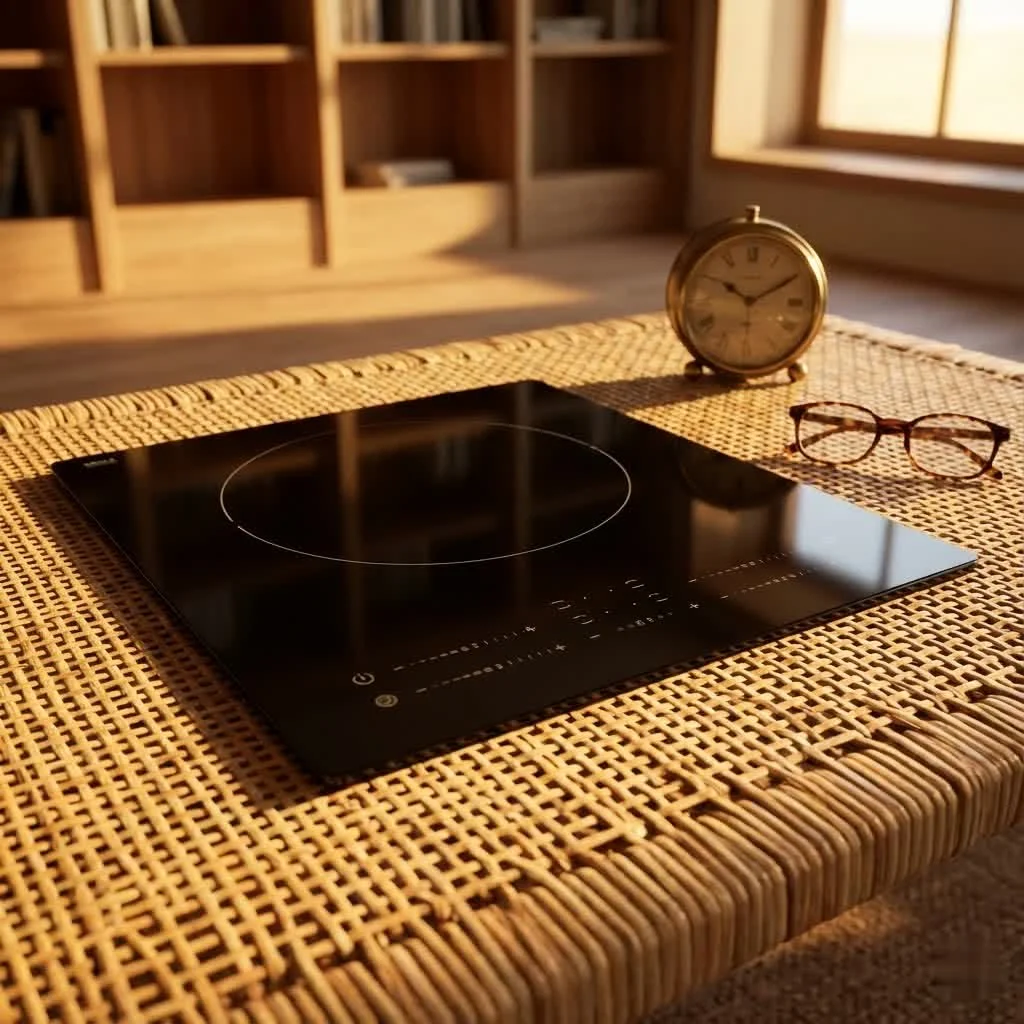
At its core, an electric induction hob is a sophisticated cooking surface that uses electromagnetic energy to heat your food. Unlike traditional gas stoves that rely on an open flame, or conventional electric hobs that use radiant heat from an element, induction hobs heat the cookware directly. This isn’t just a minor difference; it’s a fundamental shift that brings a host of benefits, making your cooking faster, more precise, and remarkably safer. Think of it as a smart, responsive partner in your culinary adventures. For induction hobs buying guides on this site.
The Magic Behind the Heat: How Electric Induction Hobs Work
Curious how an electric induction hob conjures heat without glowing red or producing a flame? It’s pure science, elegantly applied to your kitchen. Beneath the smooth, easy-to-clean glass-ceramic surface, induction hobs house coils of copper wire. When you switch on a cooking zone, an alternating electric current flows through these coils, generating an invisible, oscillating magnetic field.
Now, here’s the clever part: when you place a compatible pot or pan (one made of a ferromagnetic material, like cast iron or certain stainless steels) onto this cooking zone, the magnetic field penetrates the base of the cookware. This induces an electric current directly within the pan itself, causing the pan’s resistance to generate heat. The pan becomes the heat source, cooking your food, while the hob surface remains relatively cool, only warming from the residual heat transferred back from the hot pan. It’s like magic, but it’s just the power of electromagnetic induction at work.
Unleashing Culinary Power: Key Advantages of Electric Induction Hobs
Once you understand how an electric induction hob operates, its advantages become crystal clear. From blistering boils to delicate simmering, induction cooking offers unparalleled control and performance.
Speed and Precision: Cook Like a Pro
One of the most immediate benefits you’ll notice is the incredible speed. Because induction hobs heat the pan directly, there’s virtually no wasted energy waiting for an element or flame to heat up. Water boils in a fraction of the time compared to traditional methods, meaning less waiting and more eating. This direct heating also translates to astonishing precision. You can adjust the temperature instantly, much like a gas hob, but with even finer control. Need to drop a simmer down to a gentle warmth? An electric induction hob responds instantly, preventing overcooking and giving you masterful command over your dishes.
Energy Efficiency and Cost Savings
|
Our Picks for the Best Induction Hob in 2026
As an Amazon Associate I earn from qualifying purchases.
|
||
| Num | Product | Action |
|---|---|---|
| 1 | AMZCHEF Portable Induction Cooktop 20 Temperature & Power Levels, 1800W Induction Stove Burner with 6.8\" Heating Coil, Low Noise Hot Plate Single Electric Cooktops Countertop Stove with Timer |

|
| 2 | AMZCHEF Portable-Induction-Cooktop: 74 Temperature Levels Induction Burner with Digital Probe, 1800W Countertop Burner with 20 Power Levels, 6.5\" Heating Coil, Low Noise Electric Cooktops with Timer |
|
| 3 | ChangBERT Induction Cooktop, Commercial Grade Portable Cooker, Large 8” Heating Coil, Premium Stainless Steel Countertop Burner with NSF Certified, 10 Hours Timer Powerful 1800W Professional Hot Plate |
|
| 4 | Portable Induction Cooktop 20 Temperature & Power Levels,1800W Single Burner Electric Cooktop with 6.8 inch Heating Coil,Low Noise Hot Plate with Timer |
|
| 5 | Duxtop Professional Portable Induction Cooktop, Commercial Range Countertop Burner, 1800 Watts Induction Burner with Sensor Touch and LCD Screen, P961LS/BT-C35-D, Silver/Black |
|
| 6 | Nuwave Flex Precision Induction Cooktop, 10.25” Shatter-Proof Ceramic Glass, 6.5” Heating Coil, 45 Temps from 100°F to 500°F, 3 Wattage Settings 600, 900 & 1300 Watts, Black |
|
| 7 | LỖI |
|
| 8 | Mueller RapidTherm Portable Induction Cooktop Hot Plate Countertop Burner 1800W, 8 Temp Levels, Timer, Auto-Shut-Off, Touch Panel, LED Display, Auto Pot Detection, Child Safety Lock, 4 Preset Programs |
|
| 9 | Duxtop Portable Induction Cooktop Burner, Induction Hot Plate with LCD Sensor Touch 1800 Watts, Silver 9600LS/BT-200DZ |
|
| 10 | Duxtop 1800W Portable Induction Cooktop Countertop Burner, Gold 8100MC/BT-180G3 |
|
Beyond speed, induction hobs are remarkably energy-efficient. A significant portion of the energy produced goes directly into heating your food, with minimal heat loss to the surrounding air. “In my experience, home cooks are often surprised by how much they save on their energy bills after switching to induction,” says Sarah Chen, Lead Appliance Engineer at Gooau.com. “It’s not just about speed; it’s about smart energy utilization.” This efficiency is not only good for your wallet but also for the environment.
Enhanced Safety Features
Safety is paramount in any kitchen, and electric induction hobs excel here. Without an open flame, the risk of accidental fires is drastically reduced. Because the hob surface itself doesn’t generate heat (only the pan does), spills won’t burn onto the surface, and the risk of accidental burns from touching a hot hob is minimized. Most induction hobs also come with smart features like automatic pan detection (they won’t activate without a compatible pan) and child lock functions, offering invaluable peace of mind for families.
Effortless Cleaning
Say goodbye to scorched food stuck to burner grates or ceramic rings. With an electric induction hob, spills and splatters don’t bake onto the cool surface. A quick wipe with a damp cloth is usually all it takes to keep your hob looking spotless. This smooth, flat surface also integrates seamlessly into your countertop, making your kitchen appear modern and uncluttered.
Modern Kitchen Aesthetics & Versatility
The sleek, minimalist design of an electric induction hob instantly elevates the aesthetic of any kitchen. Its flush-mount installation can even provide extra countertop space when not in use. Many models also feature flexible cooking zones, allowing you to use larger or irregularly shaped pots and pans, adapting to your diverse culinary needs.
Navigating the Nuances: Potential Drawbacks to Consider
While the benefits are compelling, it’s important to have a balanced view. Every appliance has its considerations, and the electric induction hob is no exception.
Initial Investment & Long-term Value
Generally, electric induction hobs come with a higher upfront cost compared to their gas or traditional electric counterparts. This initial investment might give some pause. However, when you factor in the long-term energy savings and the enhanced features and safety, many find the investment well worth it over the lifespan of the appliance. It’s a purchase that pays dividends in performance and efficiency.
Cookware Compatibility: The Magnetic Test
This is perhaps the most significant consideration. Electric induction hobs require cookware with a ferromagnetic (magnetic) base to work. This means your beloved aluminum, copper, glass, or ceramic pots and pans won’t heat up unless they have a special magnetic layer built into their base. The good news is that most modern stainless steel and cast iron cookware is induction-compatible. An easy test? If a magnet sticks firmly to the bottom of your pan, it’s good to go! If not, you might need to invest in a new set of cookware.
Subtle Sounds: What to Expect
Some users occasionally report hearing a faint buzzing or humming sound, especially at higher power settings or when using certain types of cookware. This is typically due to the magnetic field interacting with the pan and is usually quite subtle. It’s generally not a fault but rather a characteristic of the technology. With the right, high-quality cookware, this noise is often minimal.
Installation and Setup: Getting Your Induction Hob Ready
Proper installation is crucial for the safe and efficient operation of your electric induction hob. These appliances typically require a dedicated electrical supply, often with a higher amperage than standard outlets. Specific cutout dimensions for built-in models are also essential for a secure and flush fit. Adequate ventilation beneath the hob is critical to prevent overheating of the internal components and ensure longevity.
For these reasons, we at Gooau.com always recommend hiring a qualified electrician or a certified appliance installer. They can ensure that your induction hob is connected correctly, adheres to all safety standards, and performs optimally from day one. It’s an investment in both safety and performance.
Keeping Your Electric Induction Hob Pristine: Maintenance Tips from the Pros
Maintaining your electric induction hob is surprisingly simple, primarily because its surface doesn’t get intensely hot, preventing food from baking on. Here are my top tips for keeping your hob looking and performing its best:
Daily Cleaning Rituals
Make it a habit to clean your induction hob after each use. Wait until the surface is completely cool to the touch. A soft, damp microfiber cloth and a drop of mild dish soap are usually sufficient to wipe away any spills or grease. This prevents residue buildup and maintains its pristine appearance.
Choosing the Right Cleaning Agents
Avoid abrasive sponges, scourers, or harsh chemical cleaners, as these can scratch or damage the glass-ceramic surface. For more stubborn stains, a specialized ceramic hob cleaner or a paste made of baking soda and a little white vinegar can work wonders. Always wipe in a circular motion and rinse thoroughly with a clean, damp cloth, then dry with a soft cloth to prevent streaks.
Cookware Care and Handling
Always use induction-compatible cookware and ensure the bottoms are clean and dry before placing them on the hob. Gently place pots and pans down; avoid dropping them or sliding them aggressively across the surface, which can cause scratches. Using pans appropriate for the size of the cooking zone also helps distribute heat effectively and prevents energy waste.
The Importance of Ventilation
Ensure that the ventilation beneath your built-in induction hob is not obstructed. Good airflow is vital for the internal components to cool properly, preventing overheating and extending the lifespan of your appliance. Regularly check and clean any vents if your model has them.
Frequently Asked Questions
Are induction hobs really more energy-efficient?
Absolutely. Induction hobs directly heat the cookware through electromagnetic fields, transferring approximately 90% of the energy directly to the food. This is significantly more efficient than gas (around 55%) or traditional electric coil hobs (around 65%), leading to faster cooking times and lower energy bills over time.
Can I use my old pans on an induction hob?
Only if they are made of a ferromagnetic material. To check, hold a magnet to the bottom of your pan. If it sticks firmly, your pan is induction-compatible. Otherwise, you’ll need to invest in new cookware, typically cast iron or certain types of stainless steel.
How safe are induction hobs for families with children?
Induction hobs are considered one of the safest cooking methods available. They have no open flames, and the cooking surface itself remains relatively cool, reducing the risk of burns. Many models include child lock features and automatic pan detection, adding layers of safety that are perfect for busy family kitchens.
What kind of noise do induction hobs make?
While generally quiet, some induction hobs can produce a slight buzzing or humming sound, particularly at higher power settings or with certain cookware. This is a normal part of the electromagnetic process and is usually very subtle. High-quality cookware can often minimize this effect.
How often should I clean my induction hob?
For optimal appearance and performance, it’s best to wipe down your induction hob after each use, once it has cooled. This prevents food residue from hardening and keeps the surface spotless and hygienic. For deeper cleaning, specialized ceramic hob cleaners or a baking soda/vinegar solution can be used as needed.
Embrace the Induction Revolution with Gooau.com
The electric induction hob is more than just a cooking appliance; it’s a shows how intelligent design can redefine our daily kitchen routines. Offering unmatched speed, energy efficiency, precise control, and superior safety, it’s truly a cornerstone of the modern kitchen. While the initial investment and cookware requirements are considerations, the long-term benefits undeniably make it a smart choice for any passionate home cook.
At Gooau.com, we are committed to providing you with the most reliable and comprehensive insights into kitchen technology. We believe that understanding your appliances empowers you to cook better and live smarter. So, if you’re ready to experience the revolution in your own home, an electric induction hob might just be your next favorite kitchen upgrade!
Frequently Asked Questions
Are induction hobs really more energy-efficient than other cooking methods?
Yes, induction hobs are significantly more energy-efficient, transferring approximately 90% of energy directly to the food. This is much higher than gas (around 55%) or traditional electric coil hobs (around 65%), resulting in faster cooking and lower energy bills over time.
Can I use my existing pots and pans on an induction hob?
You can only use existing pans if they have a ferromagnetic (magnetic) base. To test, hold a magnet to the bottom of your pan; if it sticks firmly, it's induction-compatible. Otherwise, you will need new cookware, such as cast iron or specific types of stainless steel.
How safe are induction hobs for kitchens with young children?
Induction hobs are among the safest cooking methods available for families. They operate without open flames, and the cooking surface remains relatively cool, significantly reducing the risk of burns. Many models also include child lock features and automatic pan detection for added safety.
What kind of sounds should I expect from an induction hob?
While generally quiet, some induction hobs may produce a faint buzzing or humming sound, especially at higher power settings or when using certain types of cookware. This is a normal characteristic of the electromagnetic process and is typically very subtle. Using high-quality cookware can often minimize this effect.
What is the recommended cleaning frequency for an induction hob?
For optimal appearance and performance, it is best to wipe down your induction hob after each use, once it has completely cooled. This practice prevents food residue from hardening and helps maintain a spotless and hygienic surface. For more stubborn stains, specialized ceramic hob cleaners or a baking soda/vinegar solution can be used as needed.
Maintain Your Electric Induction Hob
Keep your electric induction hob pristine and performing its best with these simple maintenance tips.
Clean your induction hob after each use, ensuring the surface is completely cool. Use a soft, damp microfiber cloth and a drop of mild dish soap to wipe away spills or grease. This routine prevents residue buildup and maintains its pristine appearance.
Avoid abrasive sponges, scourers, or harsh chemical cleaners to prevent scratches on the glass-ceramic surface. For stubborn stains, use a specialized ceramic hob cleaner or a paste of baking soda and white vinegar. Always wipe in a circular motion, rinse thoroughly, and dry with a soft cloth to prevent streaks.
Always use induction-compatible cookware with clean, dry bottoms. Gently place pots and pans on the hob, avoiding dropping or aggressively sliding them to prevent scratches. Using pans appropriate for the cooking zone size ensures effective heat distribution and prevents energy waste.
Verify that the ventilation beneath your built-in induction hob remains unobstructed. Good airflow is crucial for the internal components to cool properly, which prevents overheating and extends the appliance's lifespan. Regularly check and clean any vents if your model includes them.
Cooking gear we tested in our own kitchens
Free PDF — preheat times measured on 10 popular air fryers.
The speed and safety of induction are undeniable, and I appreciate the instant heat. However, I find the buzzing noise at higher settings a bit distracting, especially when I’m trying to concentrate on a complicated recipe. It’s not a dealbreaker, but something to be aware of if you’re sensitive to sound. Otherwise, it’s a solid cooking method.
I was skeptical about switching from my old gas stove, but this electric induction hob is a game-changer! The precise temperature control is amazing for delicate sauces, and I love how quickly water boils now. Cleanup is also a breeze with the sleek surface. Definitely recommend for anyone looking to upgrade their kitchen.
I’m so glad I made the switch to an induction hob. The safety aspect was a big selling point for me, especially with kids around – no open flames or hot elements. Plus, the energy efficiency has been noticeable on my utility bills. It’s truly a modern solution for cooking.
I got a portable induction cooktop for my RV, and it’s been fantastic. It heats up so fast, which is great when you’re trying to conserve power. My only minor complaint is that some of my older pans aren’t compatible, so I had to invest in a few new pieces of cookware. Still, the efficiency makes it worth it.