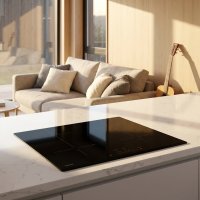
A frameless induction hob is a sleek, modern cooking appliance characterized by a smooth, continuous glass surface that integrates seamlessly into a countertop without any visible metallic or raised edges. This design offers superior aesthetics, effortless cleaning, and enhanced safety features compared to traditional cooktops. Frameless induction hobs utilize electromagnetic fields to directly heat cookware, achieving approximately 90% energy efficiency and providing instant, precise temperature control for an elevated cooking experience.

At its core, a frameless induction hob represents the pinnacle of minimalist kitchen design. Unlike traditional cooktops that feature noticeable edges or a metallic frame, frameless models boast a smooth, continuous glass surface that integrates seamlessly into your countertop. There are no raised bezels or awkward crevices, just a sleek, uninterrupted expanse that makes your kitchen feel instantly more spacious and contemporary. This design philosophy goes hand-in-hand with the revolutionary technology beneath the glass. Induction cooking works by using electromagnetic fields to directly heat your cookware, rather than the hob surface itself. This direct energy transfer is incredibly efficient, providing instant heat and precise temperature control, fundamentally changing how you interact with your cooking appliance.
The Unrivaled Benefits of Going Frameless
Choosing a frameless induction hob brings a wealth of advantages that extend far beyond its striking appearance.
Elevated Aesthetics and Design Integration
The visual appeal is a huge draw. A frameless induction hob elevates your kitchen’s aesthetic, offering a clean, sophisticated, and utterly modern look. It creates a seamless transition between the hob and the countertop, making it feel less like an appliance and more like an integrated part of your kitchen architecture. Whether your kitchen style is ultra-modern, industrial chic, or even traditional with a contemporary twist, the minimalist profile of a frameless induction hob blends effortlessly, becoming a quiet, elegant focal point.
Effortless Cleaning
For anyone who’s ever battled grease and grime caught in the edges of a traditional hob, the frameless design is a major upgrade. With no raised edges or metallic frames, there are no awkward crevices for food spills or crumbs to hide. The smooth, flat glass surface can be wiped clean with remarkable ease. Because the induction surface itself doesn’t get intensely hot (only the pan does), spills don’t bake on, making daily maintenance a quick swipe away. This means less time scrubbing and more time enjoying your culinary creations.
Superior Safety Features
Safety in the kitchen is paramount, and induction technology, especially in its frameless iteration, offers outstanding peace of mind. The cooking zones only activate when a compatible pot or pan is placed on them, and they cool down almost immediately once the cookware is removed. This significantly reduces the risk of accidental burns, a crucial benefit for homes with children or pets. There are no open flames, eliminating gas leaks or fire hazards, and many models include automatic shutdown features if a pan boils dry or is left unattended. These intelligent safety protocols make induction hobs a remarkably secure cooking solution.
Precision and Speed in Cooking
|
Our Picks for the Best Induction Hob in 2026
As an Amazon Associate I earn from qualifying purchases.
|
||
| Num | Product | Action |
|---|---|---|
| 1 | AMZCHEF Portable Induction Cooktop 20 Temperature & Power Levels, 1800W Induction Stove Burner with 6.8\" Heating Coil, Low Noise Hot Plate Single Electric Cooktops Countertop Stove with Timer |

|
| 2 | Nuwave Flex Precision Induction Cooktop, 10.25” Shatter-Proof Ceramic Glass, 6.5” Heating Coil, 45 Temps from 100°F to 500°F, 3 Wattage Settings 600, 900 & 1300 Watts, Black |
|
| 3 | AMZCHEF Portable-Induction-Cooktop: 74 Temperature Levels Induction Burner with Digital Probe, 1800W Countertop Burner with 20 Power Levels, 6.5\" Heating Coil, Low Noise Electric Cooktops with Timer |
|
| 4 | ChangBERT Induction Cooktop, Commercial Grade Portable Cooker, Large 8” Heating Coil, Premium Stainless Steel Countertop Burner with NSF Certified, 10 Hours Timer Powerful 1800W Professional Hot Plate |
|
| 5 | Mueller RapidTherm Portable Induction Cooktop Hot Plate Countertop Burner 1800W, 8 Temp Levels, Timer, Auto-Shut-Off, Touch Panel, LED Display, Auto Pot Detection, Child Safety Lock, 4 Preset Programs |
|
| 6 | Portable Induction Cooktop 20 Temperature & Power Levels,1800W Single Burner Electric Cooktop with 6.8 inch Heating Coil,Low Noise Hot Plate with Timer |
|
| 7 | Duxtop Professional Portable Induction Cooktop, Commercial Range Countertop Burner, 1800 Watts Induction Burner with Sensor Touch and LCD Screen, P961LS/BT-C35-D, Silver/Black |
|
| 8 | LỖI |
|
| 9 | Duxtop Portable Induction Cooktop Burner, Induction Hot Plate with LCD Sensor Touch 1800 Watts, Silver 9600LS/BT-200DZ |
|
| 10 | Duxtop 1800W Portable Induction Cooktop Countertop Burner, Gold 8100MC/BT-180G3 |
|
Imagine boiling water faster than an electric kettle, or simmering a delicate sauce with absolute temperature accuracy. This is the reality of cooking on a frameless induction hob. The electromagnetic technology provides instant heat, allowing you to go from a rolling boil to a gentle simmer in seconds. This level of responsiveness is unmatched by traditional gas or electric hobs, giving you unparalleled control over your cooking. For passionate home cooks, this precision means better results, every single time.
Energy Efficiency and Sustainability
In an age where energy conservation is more important than ever, frameless induction hobs shine. They are incredibly energy-efficient, converting approximately 90% of the energy consumed directly into heat for your cookware. Compare this to gas hobs, which can lose up to 65% of their heat to the surrounding air, or traditional electric elements that waste energy heating up the hob itself. This efficiency not only helps reduce your carbon footprint but also translates into noticeable savings on your energy bills over time.
Beyond the Surface: Key Features to Look For
When exploring frameless induction hobs, you’ll encounter a range of innovative features designed to enhance your cooking experience even further:
- Touch Controls: Most frameless models feature sleek, intuitive touch-sensitive controls integrated directly into the glass surface, allowing for effortless adjustment of heat settings with a simple tap or swipe.
- Flexible Cooking Zones: Also known as Combi-Zones or FlexInduction, these features allow you to combine multiple smaller cooking areas into one large zone, accommodating oversized pots, griddles, or multiple smaller pans simultaneously.
- Booster and PowerBoost Functions: Need to boil water in a flash or quickly sear a steak? Booster functions deliver an extra surge of power to a specific cooking zone for rapid heating.
- Smart Features: Many high-end frameless induction hobs integrate with smart home systems, offering features like remote monitoring via an app, recipe assistance, or even automatic ventilation control, often referred to as “Home Connect” or similar.
- Child Lock: An essential safety feature that locks the control panel, preventing accidental changes to settings or activation by curious little hands.
Considerations Before You Buy: Is a Frameless Induction Hob Right for You?
While the benefits are compelling, it’s wise to consider a few factors before making the leap to a frameless induction hob.
Initial Investment
Frameless induction hobs, particularly those with advanced features, typically come with a higher upfront cost compared to conventional electric or gas hobs. However, this initial investment is often offset by their long-term energy savings and enhanced cooking performance.
Cookware Compatibility
Induction technology requires cookware with a magnetic base. Most stainless steel, cast iron, and enamelled cast iron pots and pans are compatible. If your current cookware collection isn’t magnetic, you might need to invest in new pieces, which is an additional consideration. A simple magnet test can determine if your existing pots and pans will work.
Installation Nuances
While installation for frameless models is generally straightforward for a qualified professional, it’s important to differentiate between “frameless” and “flush-mount.” A frameless hob simply lacks a visible frame. A flush-mount installation means the hob sits perfectly level with the countertop, requiring a precise cutout and expert sealing of the edges to prevent moisture ingress. While some claim frameless hobs can only be installed in solid-surface countertops, the key is the precision of the cutout and proper sealing, regardless of the material. Given the high voltage electricity involved, I always recommend engaging a certified electrician for installation to ensure safety and compliance with local building codes.
Potential Noise
Some users occasionally report a subtle humming sound when an induction hob is operating, particularly at higher power settings or with certain types of cookware. This is a normal part of the induction process, though its intensity can vary between models and individual sensitivity to sound. Modern designs strive to minimize this as much as possible.
Edge Durability
A common concern with frameless glass hobs is the potential for chipping along the exposed edges. While modern ceramic glass is incredibly resilient, any glass surface can be vulnerable to impact. However, reputable manufacturers use highly durable materials and design hobs to withstand typical kitchen use. Many users find the ease of cleaning and aesthetic appeal far outweigh this minor concern, especially with careful handling of heavy pots.
Expert Insight: A Chef’s Perspective
“In my professional kitchen, precision and speed are non-negotiable. That’s why I swear by frameless induction hobs,” says Chef Evelyn Reed, culinary director at ‘The Gilded Spoon’ restaurant. “The instantaneous response and pinpoint temperature control allow me to execute complex dishes with confidence. Plus, the seamless design means I can transition from prepping to plating without interruption, and clean-up is a breeze, which is invaluable during a busy service.”
Maintaining Your Frameless Induction Hob for Longevity
Keeping your frameless induction hob in pristine condition is remarkably simple:
- Daily Wipe-Down: After each use, allow the hob to cool slightly (it will be warm from residual pan heat, not direct heat) and wipe it down with a damp cloth and a mild detergent.
- Stubborn Stains: For dried-on food or tougher marks, use a specialized ceramic hob cleaner and a non-abrasive scrubber. Always avoid harsh chemicals or abrasive pads that could scratch the glass.
- Preventing Damage: Be mindful when placing heavy pots down, and avoid sliding rough-bottomed cookware across the surface to prevent scratches. Always lift, don’t drag.
- Ventilation: Ensure proper ventilation underneath the hob as per manufacturer guidelines to maintain optimal performance and longevity.
Frequently Asked Questions
What is the difference between frameless and framed induction hobs?
The primary difference lies in their aesthetic design. A frameless induction hob has a smooth, uninterrupted glass surface that sits flush or slightly raised above the countertop without any visible metallic or glass edges. A framed induction hob, conversely, features a stainless steel or beveled glass border around its perimeter, which can offer some protection against edge chipping and help contain minor spills.
Are frameless induction hobs more fragile?
While all glass surfaces require care, modern frameless induction hobs are built with durable ceramic glass designed to withstand daily kitchen use. The absence of a frame can theoretically expose edges to impact, but reputable brands use robust materials to minimize this risk. Many users find the benefits of easy cleaning and sleek aesthetics outweigh this concern.
Do I need special pots and pans for induction?
Yes, induction hobs require cookware with a magnetic base. Materials like cast iron, magnetic stainless steel, and enamelled steel are suitable. Non-magnetic materials like aluminum, copper, or glass will not work unless they have an integrated magnetic layer on the bottom. You can test your existing pots with a simple kitchen magnet: if it sticks firmly to the bottom, the pan is induction-compatible.
How energy-efficient are frameless induction hobs?
Frameless induction hobs are highly energy-efficient, typically converting around 90% of the energy consumed directly into heat for your cookware. This direct heating method minimizes heat loss to the surrounding environment, making them significantly more efficient than gas or traditional electric hobs and potentially leading to lower energy bills.
Can I install a frameless induction hob myself?
While it might seem like a simple “drop-in,” installing an induction hob involves working with high voltage electricity and requires precise countertop cutting and sealing. For safety reasons and to ensure proper functionality and warranty validity, it is strongly recommended to have a certified electrician or a qualified appliance installer handle the installation.
How do I clean a frameless induction hob?
Cleaning is remarkably easy. For daily spills, simply wipe the cooled surface with a damp cloth and a mild dish soap. For more stubborn, dried-on food, use a specialized ceramic hob cleaner and a non-abrasive sponge or scraper. Always avoid abrasive cleaners, scouring pads, or harsh chemicals that could damage the glass surface.
Conclusion
The frameless induction hob is more than just a cooking appliance; it’s a shows how intelligent design and advanced technology can converge to create a truly superior kitchen experience. From its stunning visual appeal and effortless cleaning to its unparalleled safety, speed, and energy efficiency, it stands out as a top choice for modern homes. Embracing a frameless induction hob means not just upgrading your kitchen, but elevating your entire culinary journey, making cooking a joy and your kitchen a space of sophisticated functionality. Welcome to the elegant simplicity and powerful performance that defines the future of cooking.
Frequently Asked Questions
What is the main difference between frameless and framed induction hobs?
The primary difference is aesthetic design. A frameless induction hob features a smooth, uninterrupted glass surface that integrates flush with the countertop, lacking any visible metallic or raised edges. In contrast, a framed induction hob has a stainless steel or beveled glass border around its perimeter, which can offer some edge protection.
Are frameless induction cooktops more susceptible to damage or chipping?
While all glass surfaces require care, modern frameless induction hobs are constructed with durable ceramic glass designed for daily kitchen use. The absence of a frame can theoretically expose edges to impact, but reputable brands use robust materials to minimize this risk, and many users find the benefits outweigh this minor concern.
What type of cookware is required for a frameless induction hob?
Induction hobs require cookware with a magnetic base. Compatible materials include cast iron, magnetic stainless steel, and enamelled steel. Non-magnetic materials like aluminum or copper will not work unless they have an integrated magnetic layer; a simple kitchen magnet test can confirm compatibility.
How energy-efficient are frameless induction hobs compared to other cooktops?
Frameless induction hobs are highly energy-efficient, converting approximately 90% of consumed energy directly into heat for your cookware. This direct heating method significantly minimizes heat loss to the surrounding environment, making them more efficient than gas or traditional electric hobs and potentially leading to lower energy bills.
Is professional installation necessary for a frameless induction hob?
Yes, professional installation is strongly recommended. Installing an induction hob involves working with high voltage electricity and requires precise countertop cutting and sealing. For safety reasons, proper functionality, and warranty validity, it is best to engage a certified electrician or qualified appliance installer.
What is the best way to clean a frameless induction hob?
Cleaning is remarkably easy. For daily spills, wipe the cooled surface with a damp cloth and mild dish soap. For stubborn, dried-on food, use a specialized ceramic hob cleaner and a non-abrasive sponge or scraper, always avoiding abrasive cleaners or harsh chemicals that could damage the glass surface.
Maintain Your Frameless Induction Hob
Keep your frameless induction hob in pristine condition with these simple maintenance steps for longevity and optimal performance.
After each use, allow the hob to cool slightly from residual pan heat. Wipe it down with a damp cloth and a mild detergent to remove everyday spills and grime. This prevents food from drying and becoming harder to clean.
For dried-on food or tougher marks, use a specialized ceramic hob cleaner and a non-abrasive scrubber. Always avoid harsh chemicals or abrasive pads, as these can scratch or damage the glass surface. Apply the cleaner as directed by the product instructions.
Be mindful when placing heavy pots down on the hob and avoid sliding rough-bottomed cookware across the surface to prevent scratches. Always lift pots and pans rather than dragging them. This careful handling extends the life and appearance of your hob.
Regularly check and ensure proper ventilation underneath the hob, as per the manufacturer's guidelines. Adequate airflow is crucial for maintaining optimal performance and the longevity of the appliance. Blocked vents can lead to overheating and reduced efficiency.
Cooking gear we tested in our own kitchens
Free PDF — preheat times measured on 10 popular air fryers.
I recently upgraded to a frameless induction hob and it’s been a game-changer. The seamless integration into my countertop is exactly what my modern kitchen needed. Cleaning is an absolute breeze, which was a huge selling point for me. I love how quickly it heats up and the precise temperature control for delicate sauces.
The precise temperature control on my new frameless induction hob is incredible. I can simmer things perfectly without worrying about scorching, and boiling water happens in a flash. The smooth glass surface really does make cleaning up spills so much easier than my old gas range. It’s a truly elevated cooking experience.
This frameless induction hob is fantastic for energy efficiency. I’ve noticed a definite drop in my electricity bill since switching from my old electric coil stove. The instant heat is great for searing, and it looks incredibly sleek. My only minor complaint is that it took a little getting used to the touch controls, but now it’s second nature.
I was really excited about the minimalist design of the frameless induction hob, and it does look beautiful in my kitchen. The safety features are also a plus, especially with kids around. However, I found that some of my older pots and pans weren’t compatible, which meant an unexpected expense to buy new induction-ready cookware. It’s a good product, but be prepared for that potential extra cost.